[Case 03]
Prehome: Designing a Brand for Accessible Homeownership
Prehome: Designing a Brand for Accessible Homeownership
Prehome: Designing a Brand for Accessible Homeownership
AT-A-GLANCE
Prehome was not just another product—it was a question: what if homeownership could feel possible again?
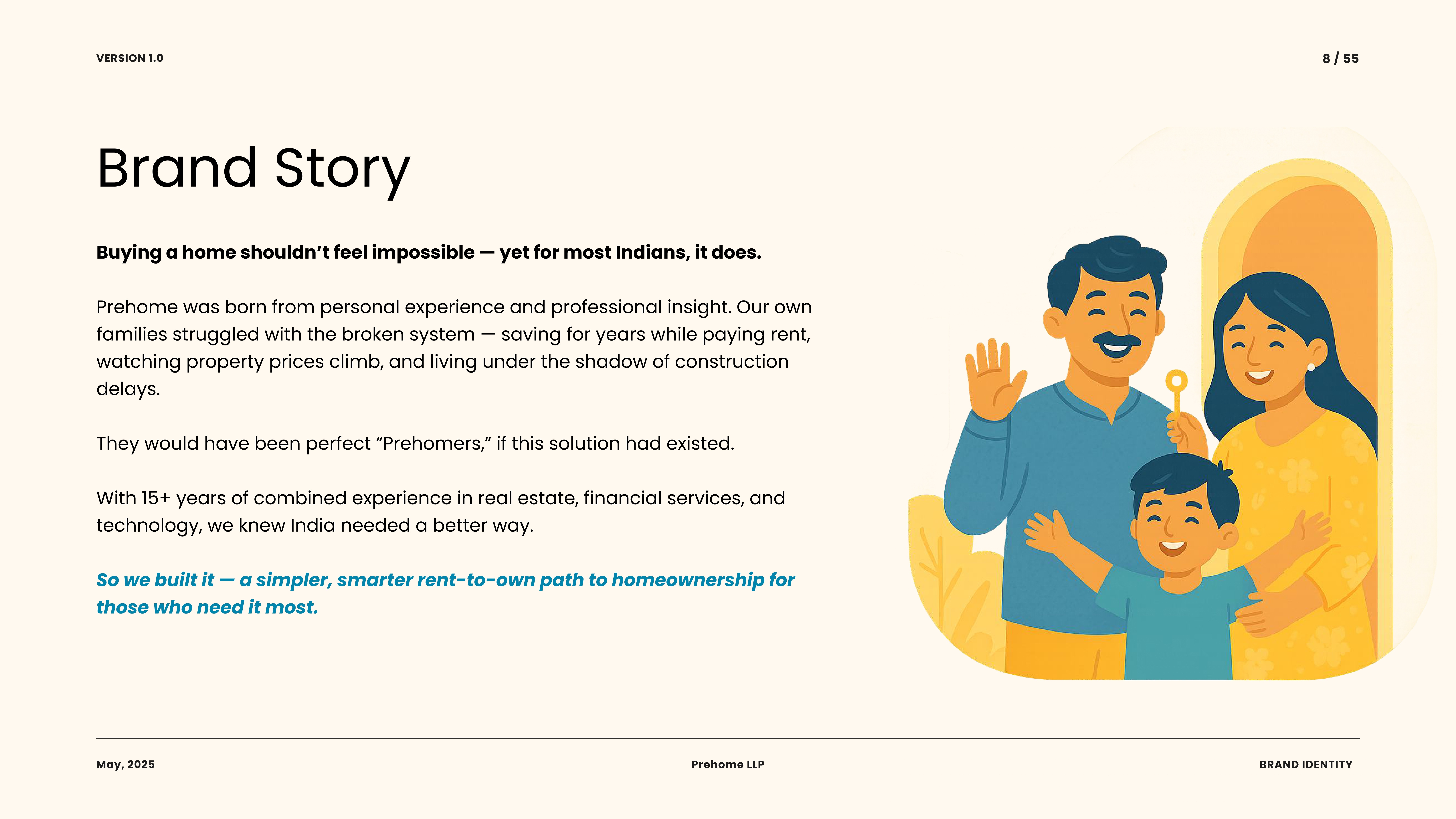
Born from the growing gap between aspiration and affordability, Prehome set out to reimagine housing through a rent-to-own model—where tenants could gradually build ownership with every rent payment. It was a radical promise for a market that saw “owning a home” as a lifelong dream drifting further away.
I joined Prehome as the founding designer, working closely with the founders to define everything from scratch—the brand, the website, the product experience, even the way the company spoke. For six months, this became my second life after hours: building a world where design wasn’t decoration, but the language of trust.
[Industry]
Housing
[My Role]
Founding Designer
[Platforms]
Desktop
Mobile
[Timeline]
August 2024 - May 2025
Objectives
Redefine itinerary creation as a collaborative AI-human workflow.
Build an interface that bridges system reasoning with human decision-making.
Reduce manual effort and improve planning accuracy, transparency, and speed.
Key Outcomes
90% reduction in itinerary creation time (5 hours → under 5 minutes).
78% of beta users described the experience as “magical.”
Served as a foundation for TBO’s AI strategy and luxury B2C travel roadmap.
The Beginning: Understanding the Dream
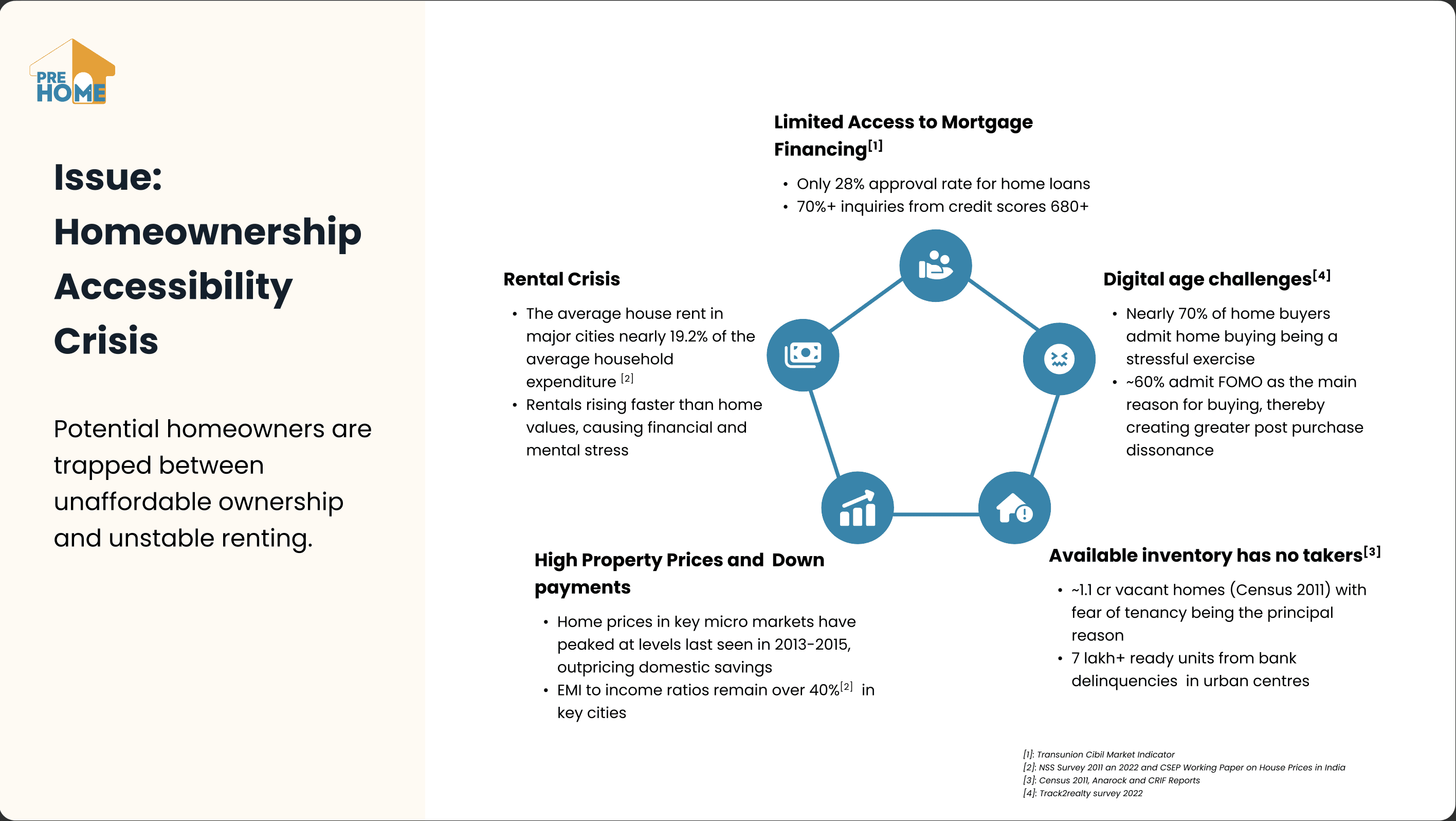
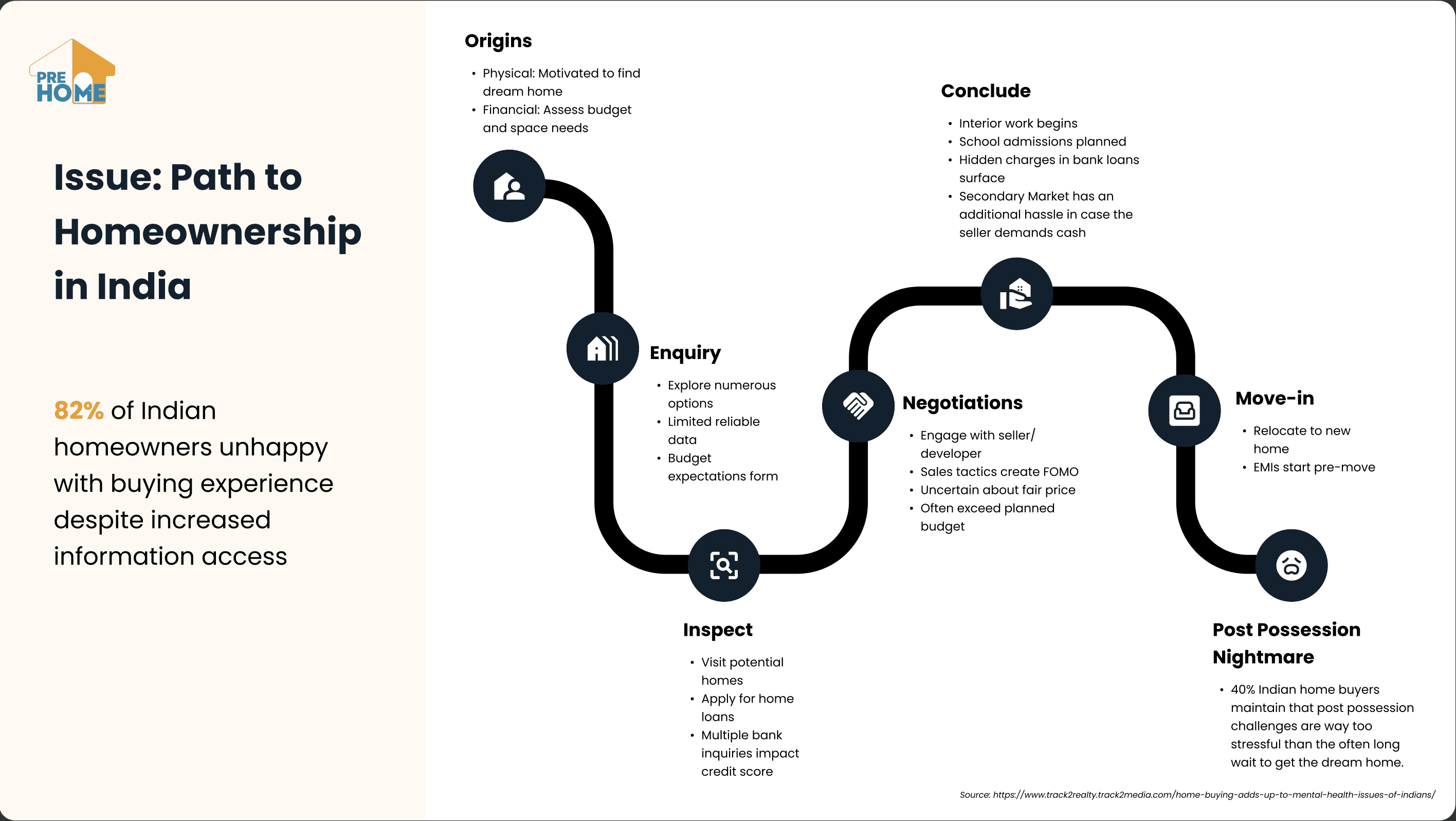
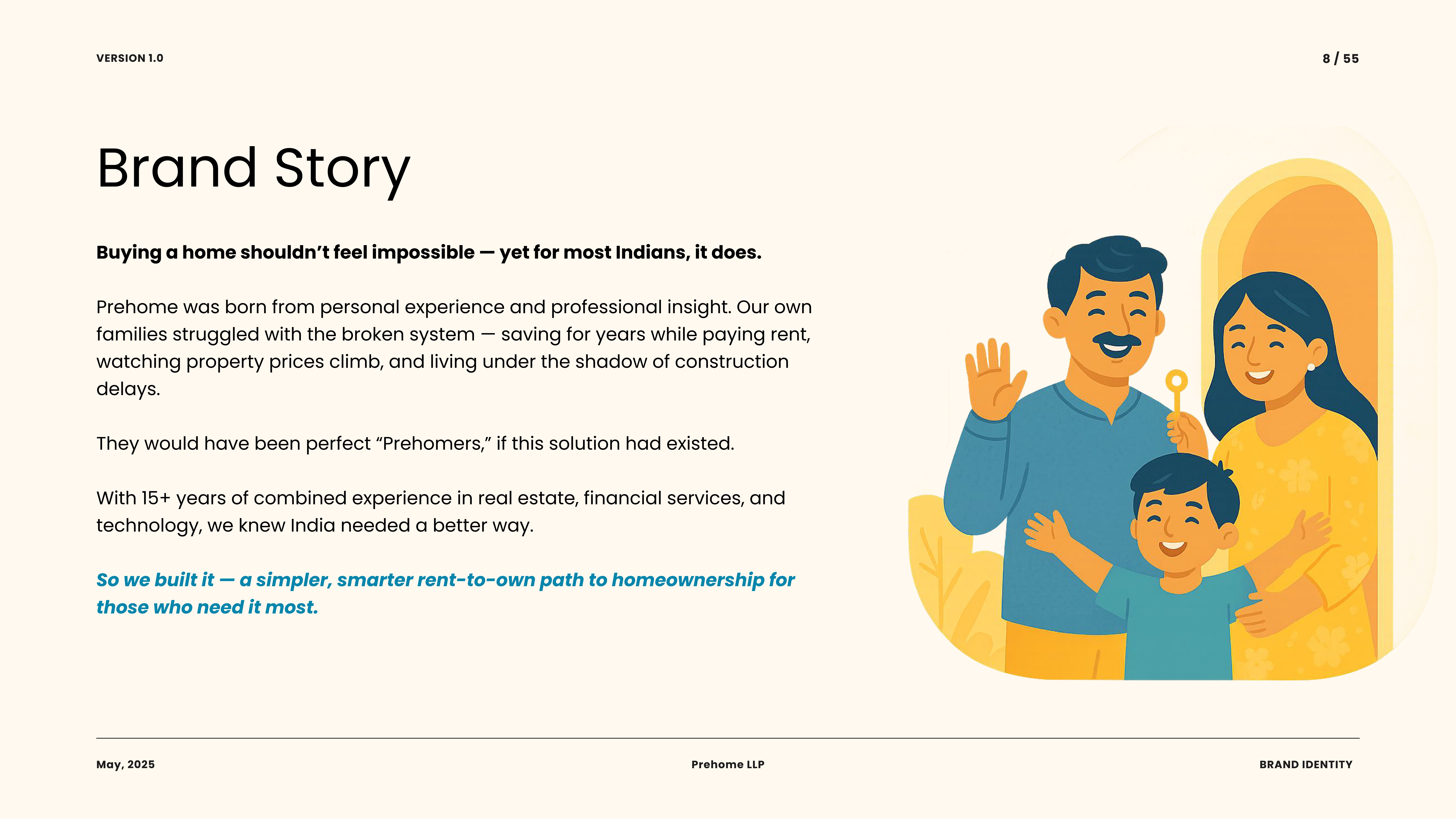
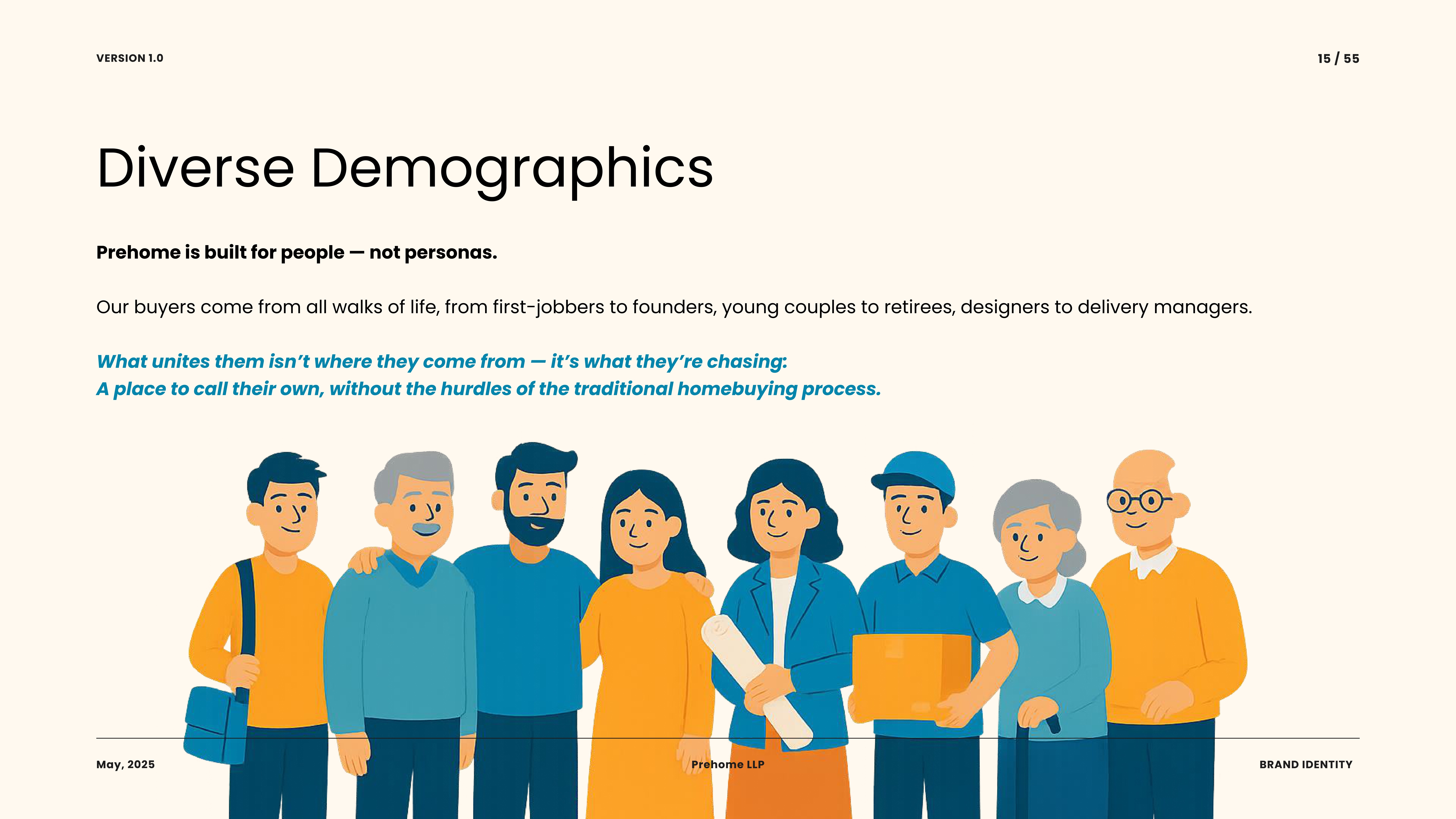
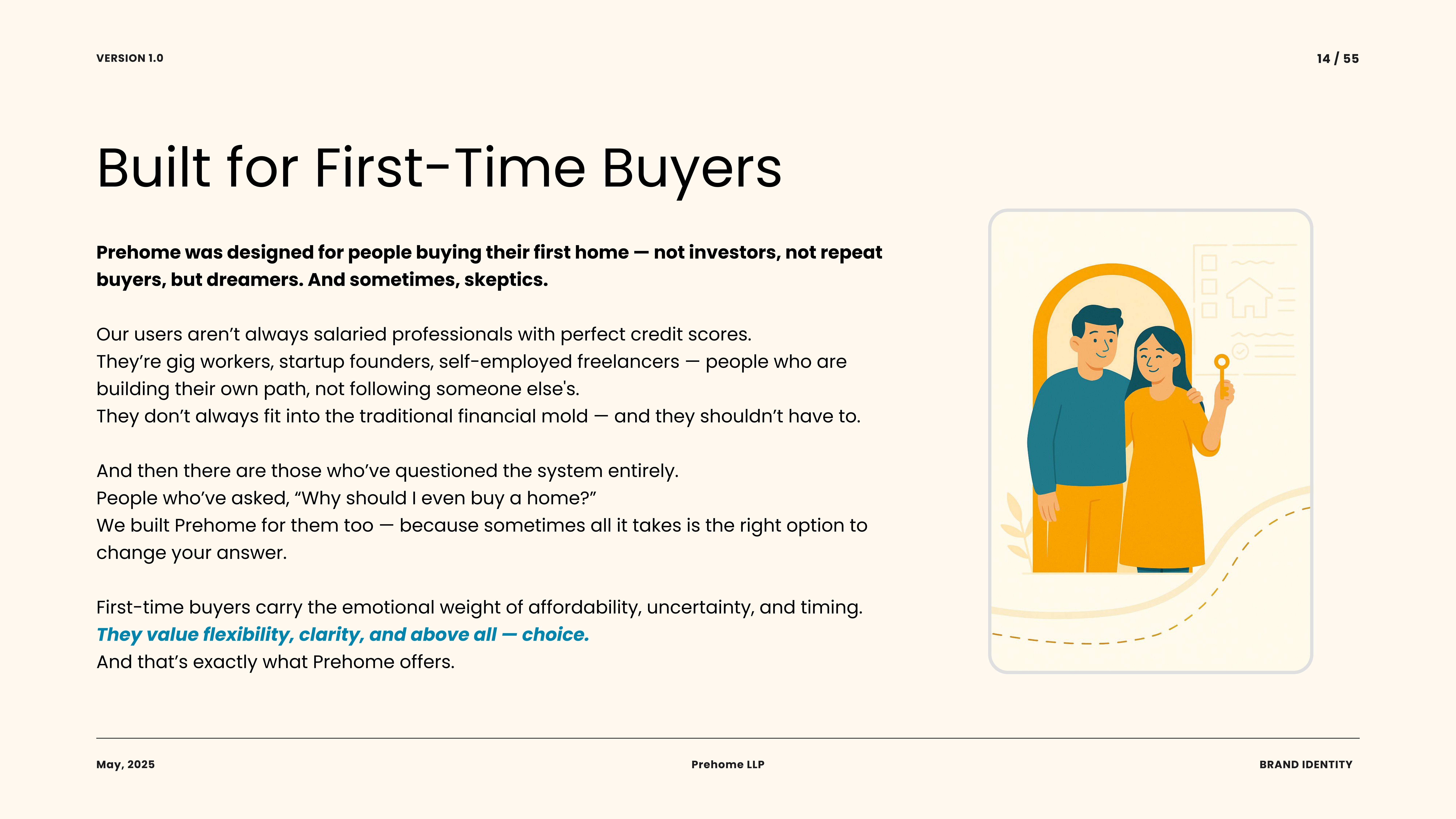
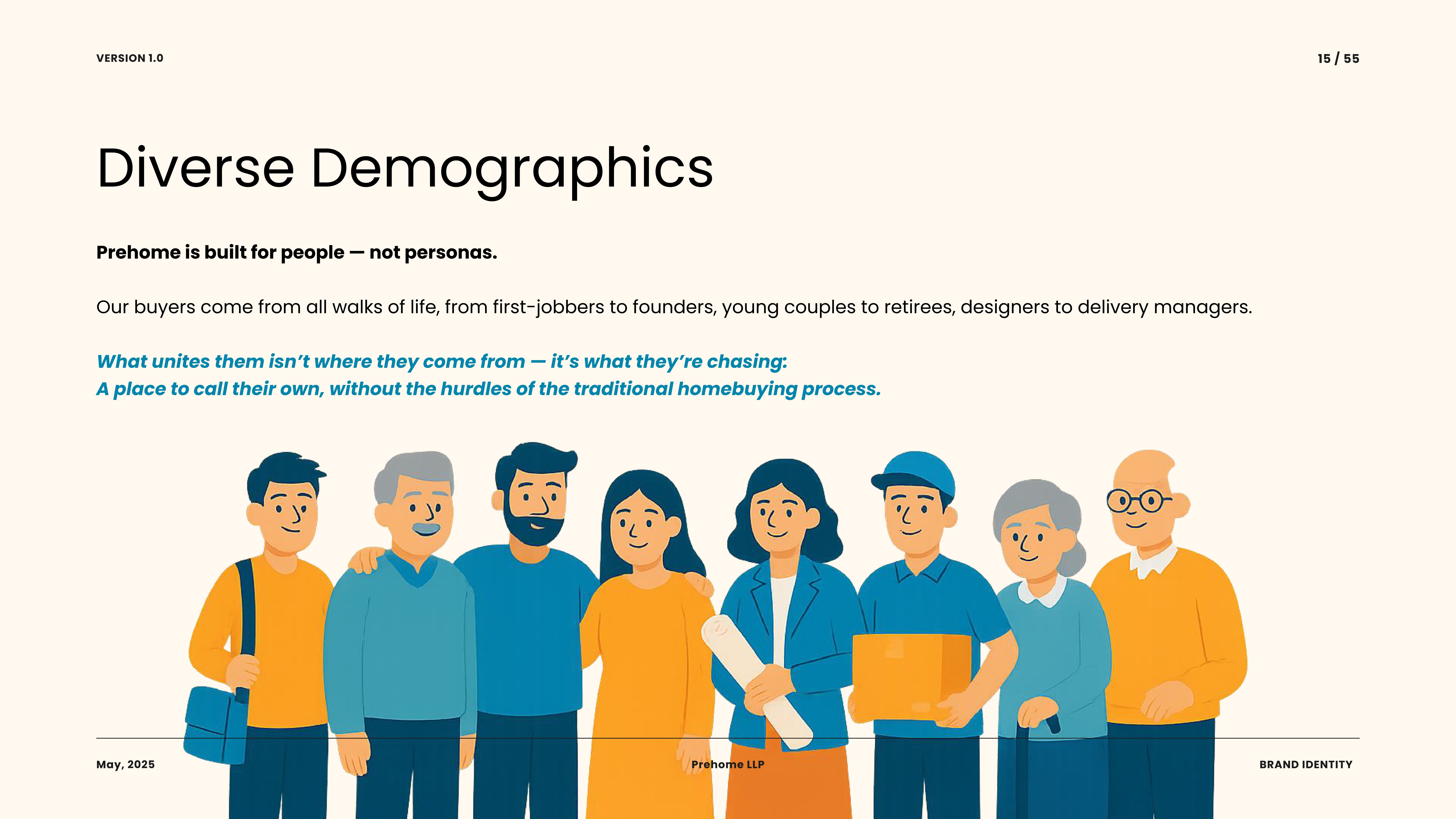
Prehome began as an idea scribbled on paper—a bridge between renting and owning. But behind that bridge were people: young families, freelancers, gig workers, and first-time buyers who had stable income but no access to traditional financing.
Before I designed anything, I spent time speaking to them alongside the founders. These weren’t research subjects; they were stories of longing—people renting the same homes for years but never feeling they belonged. The insights were clear: this was not just a financial problem. It was an emotional one.
“We’re not selling houses,” I remember saying in one early brainstorm.
“We’re selling the feeling that you can finally call something yours.”
That sentence quietly became the North Star for every design decision that followed.
[Image: ]
Shaping the Foundation: Designing Belonging
Designing a brand from zero means designing belief. And belief, has to be earned, not told.
The process was as unstructured as it was alive. Every day, I would sketch, prototype, discard, and start over. The founders and I would sit for hours—sometimes over coffee, sometimes over chaos—debating what a brand about home should feel like. Not real estate. Not finance. Home.
Two decisions shaped everything that followed:
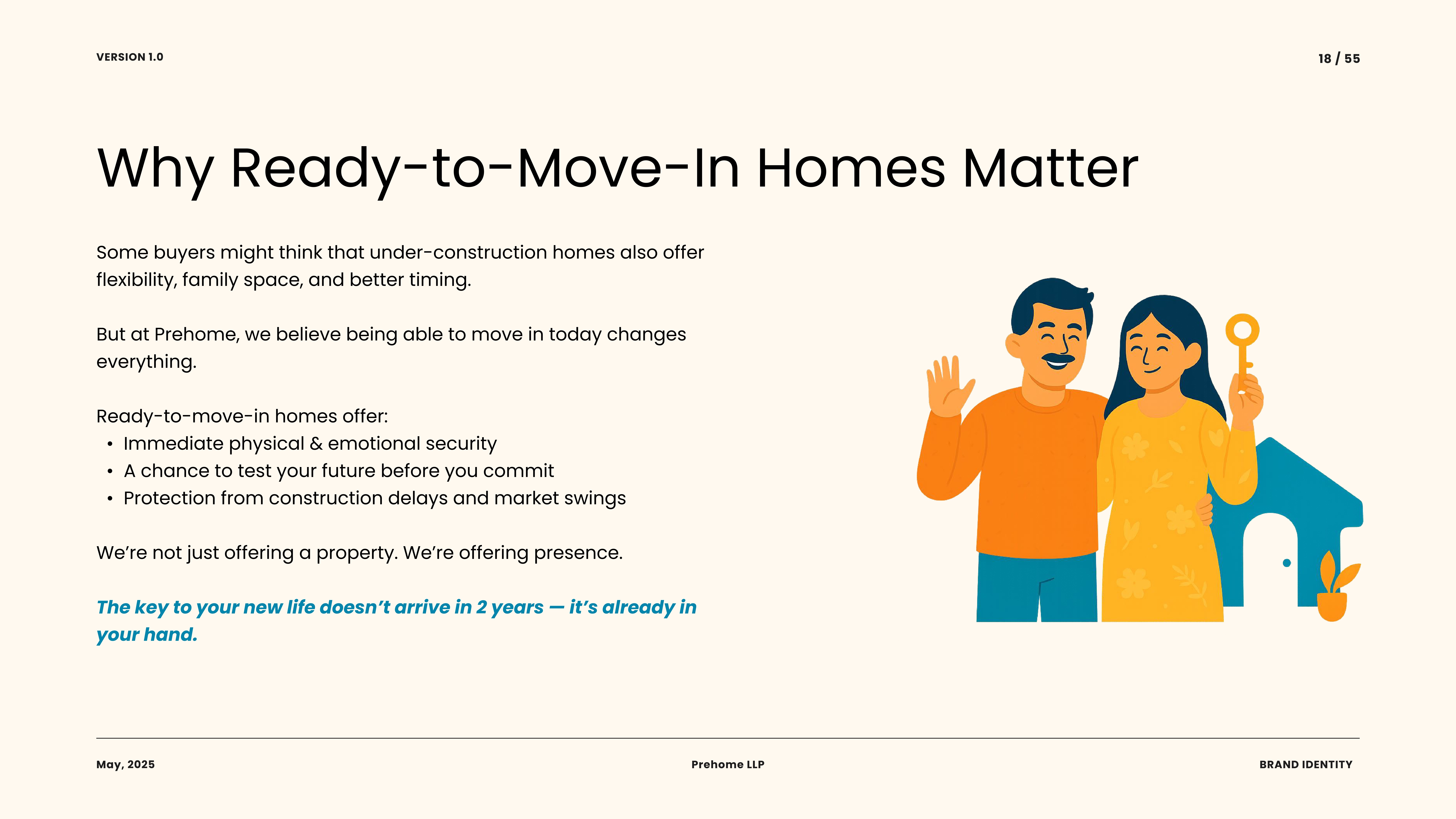
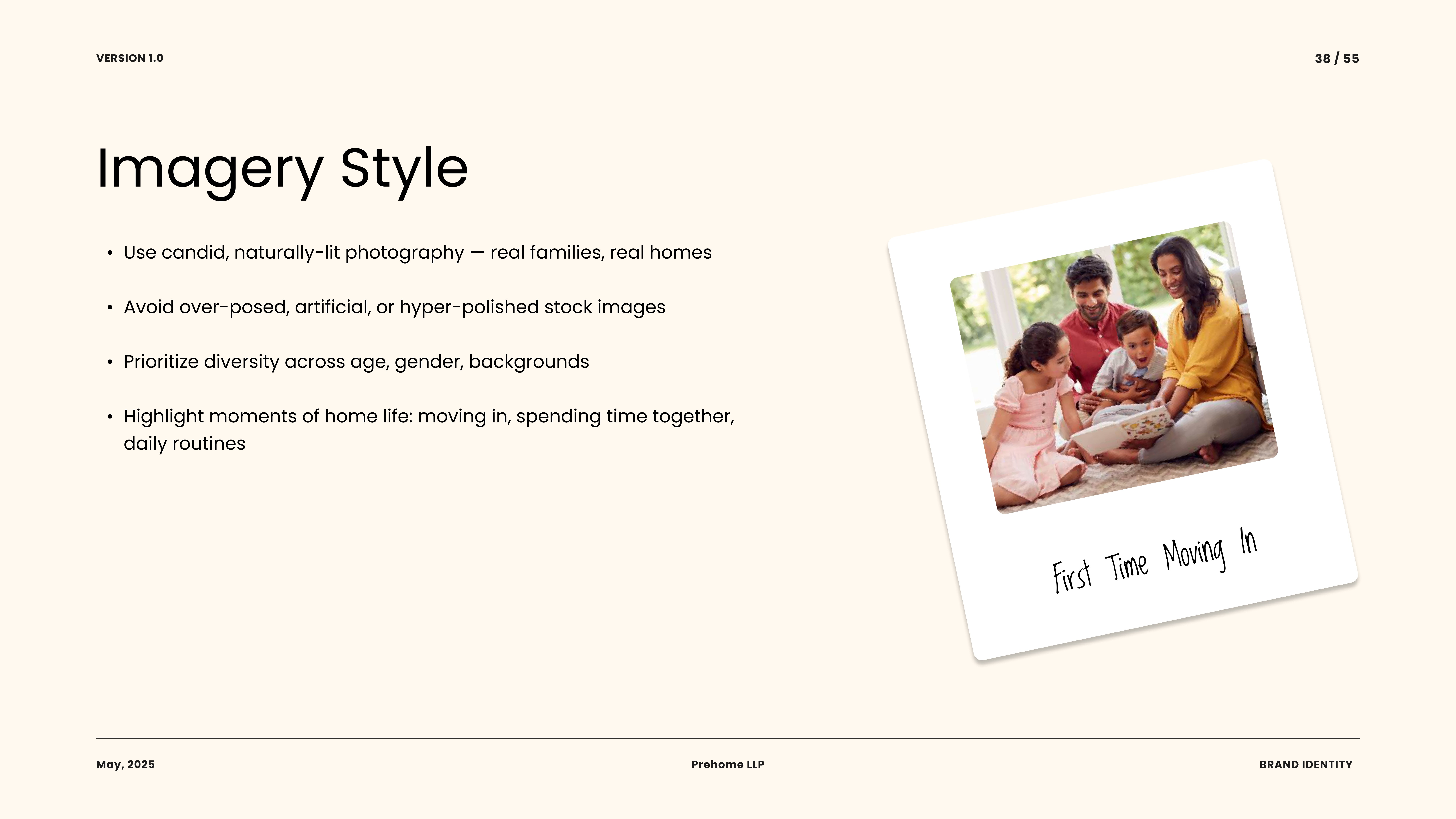
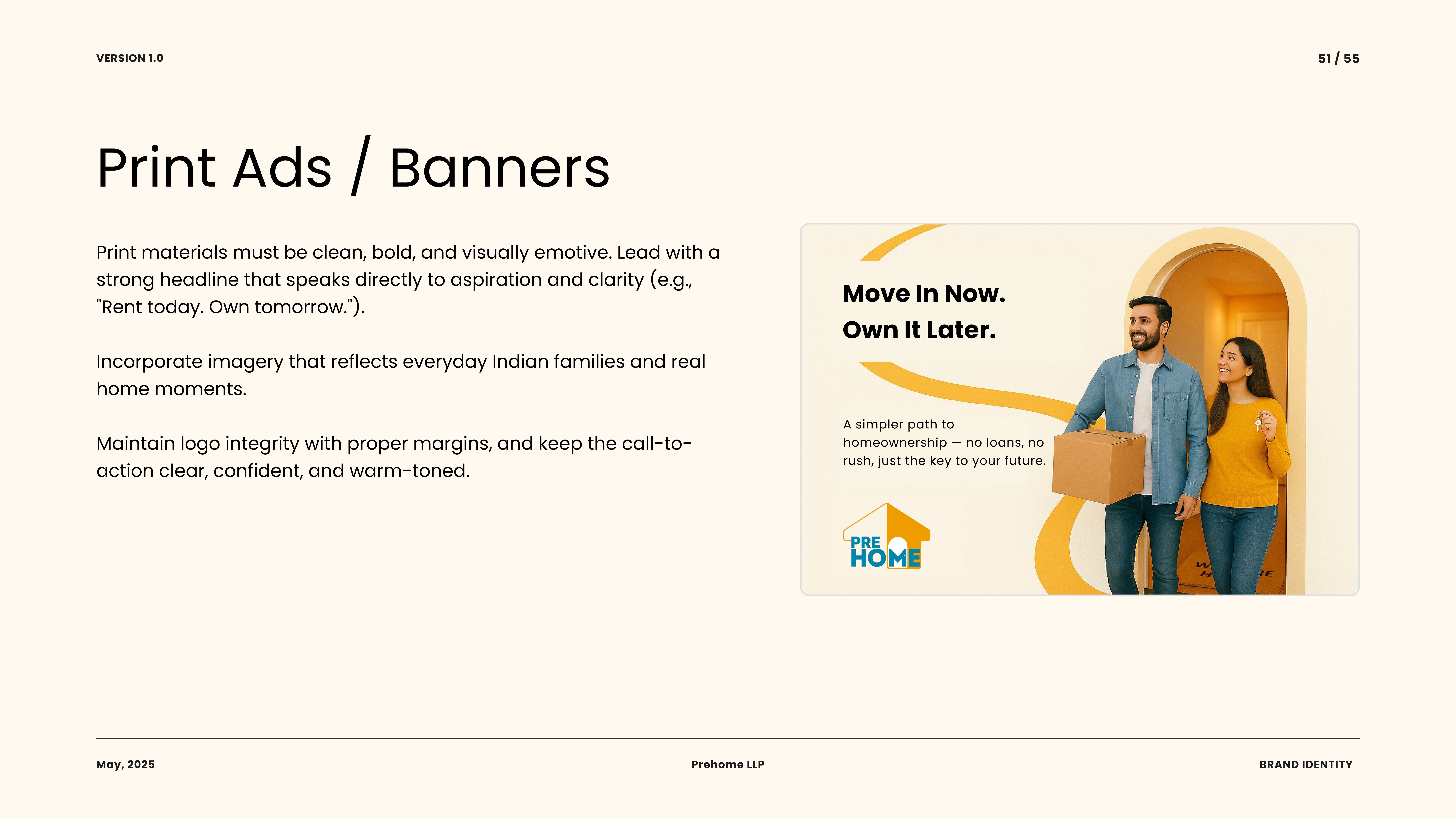
Humans, not houses. Every photo, every frame, every interface had to feature people—not property. We wanted to remind users that Prehome existed for them, not for listings.
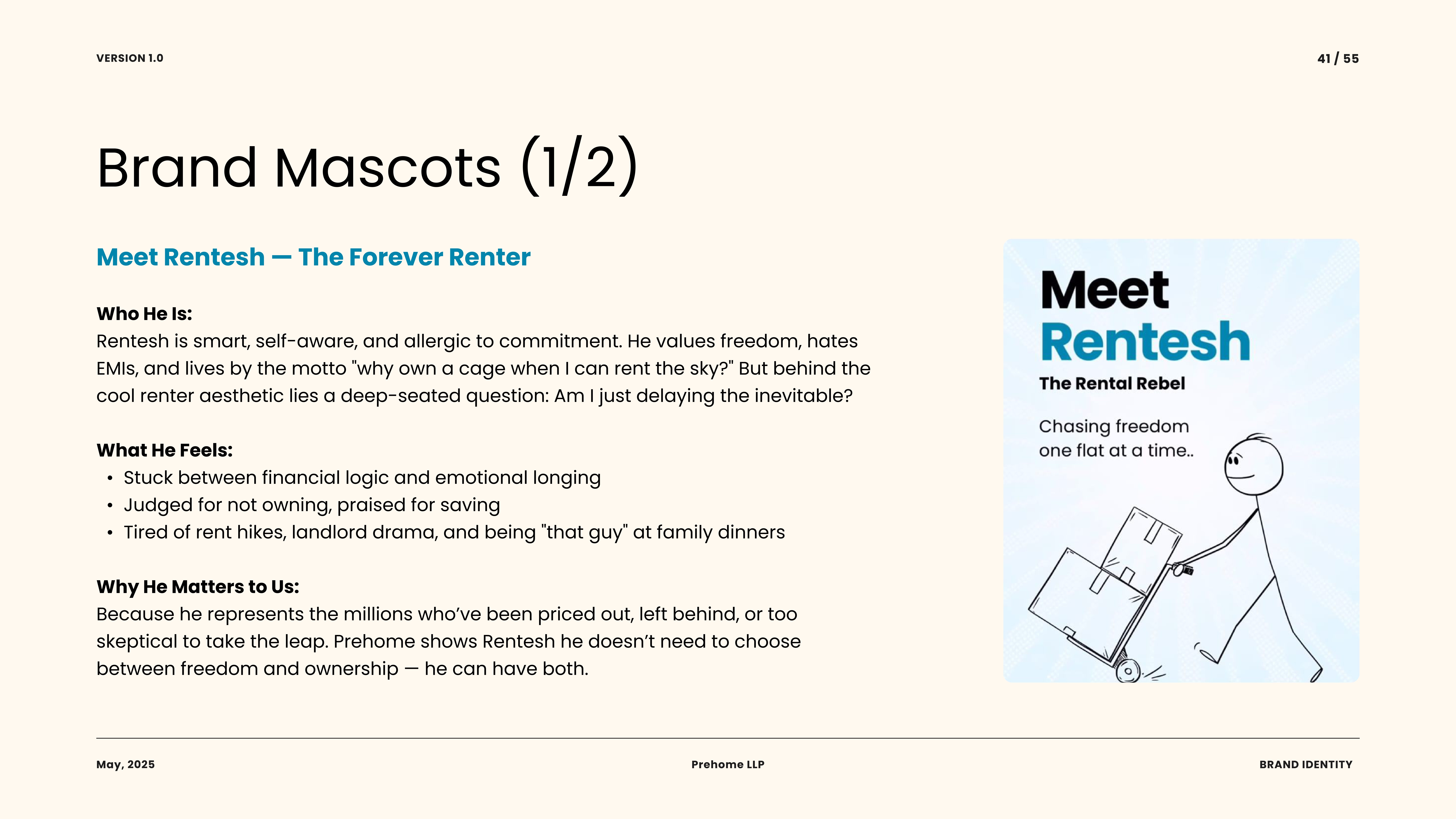
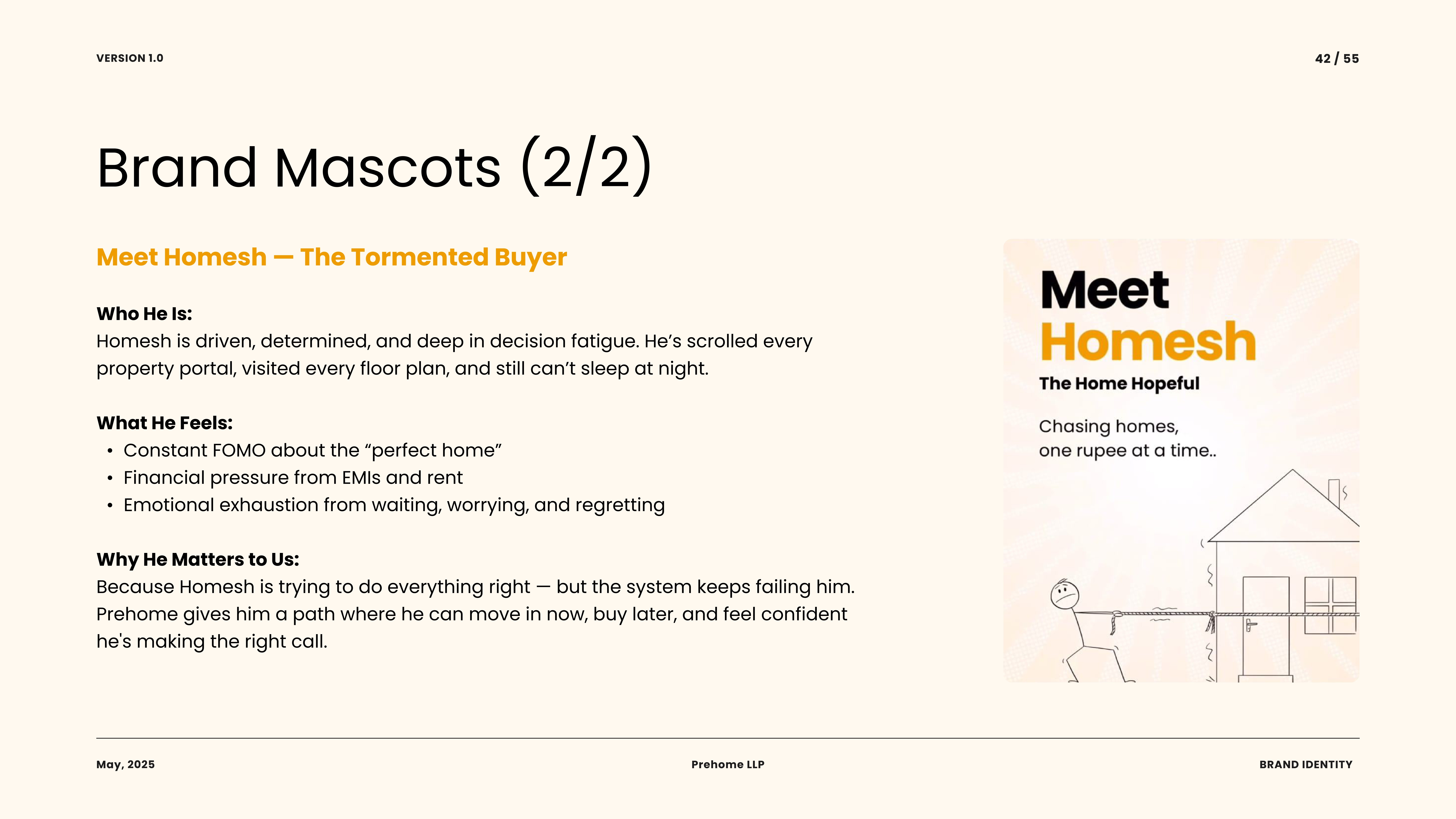
Stories, not statistics. We created two fictional characters—Rentesh and Homesh—who personified the journey from renting to owning. Through them, we could explain a complex financial concept with warmth and humor.
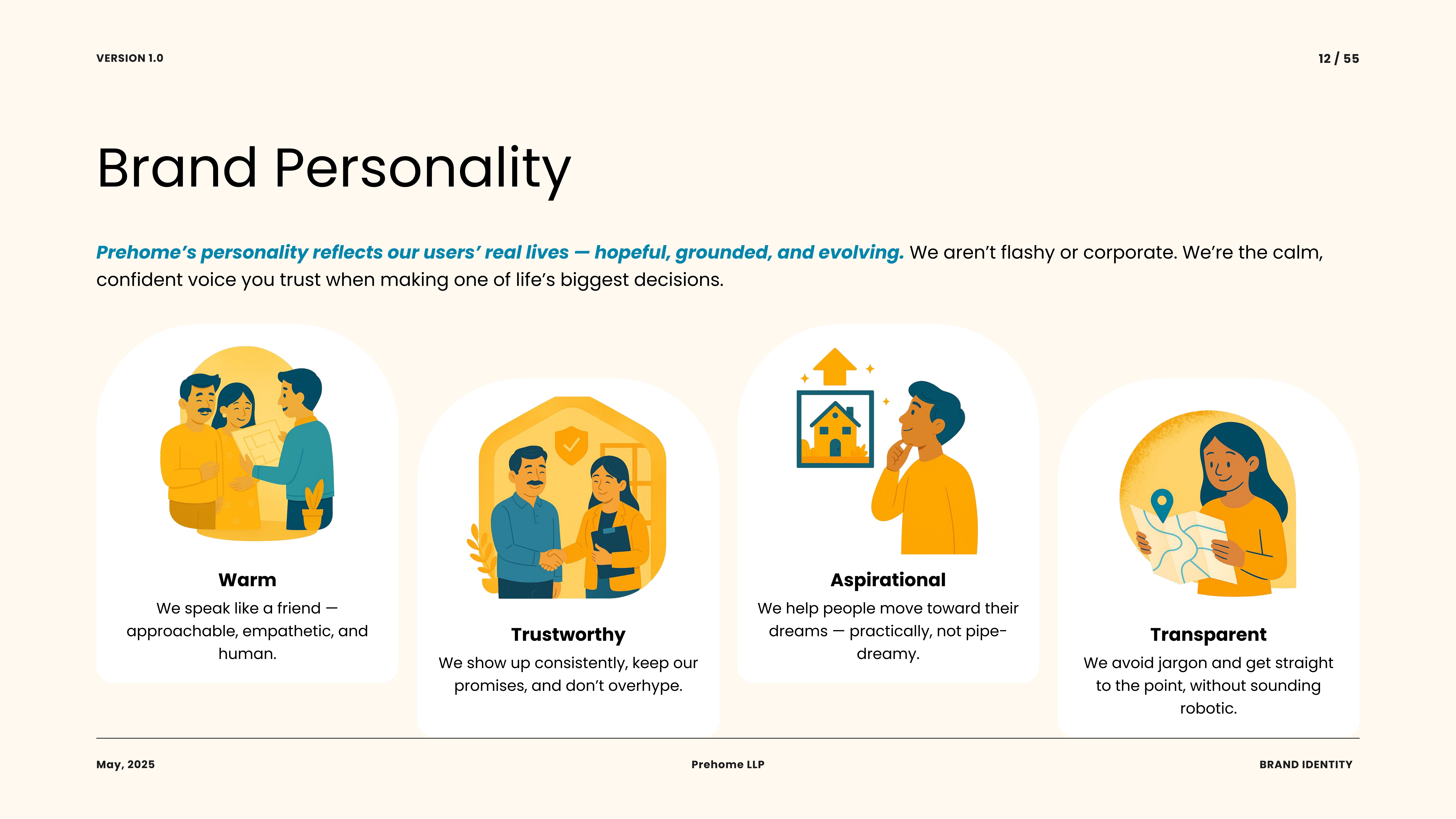
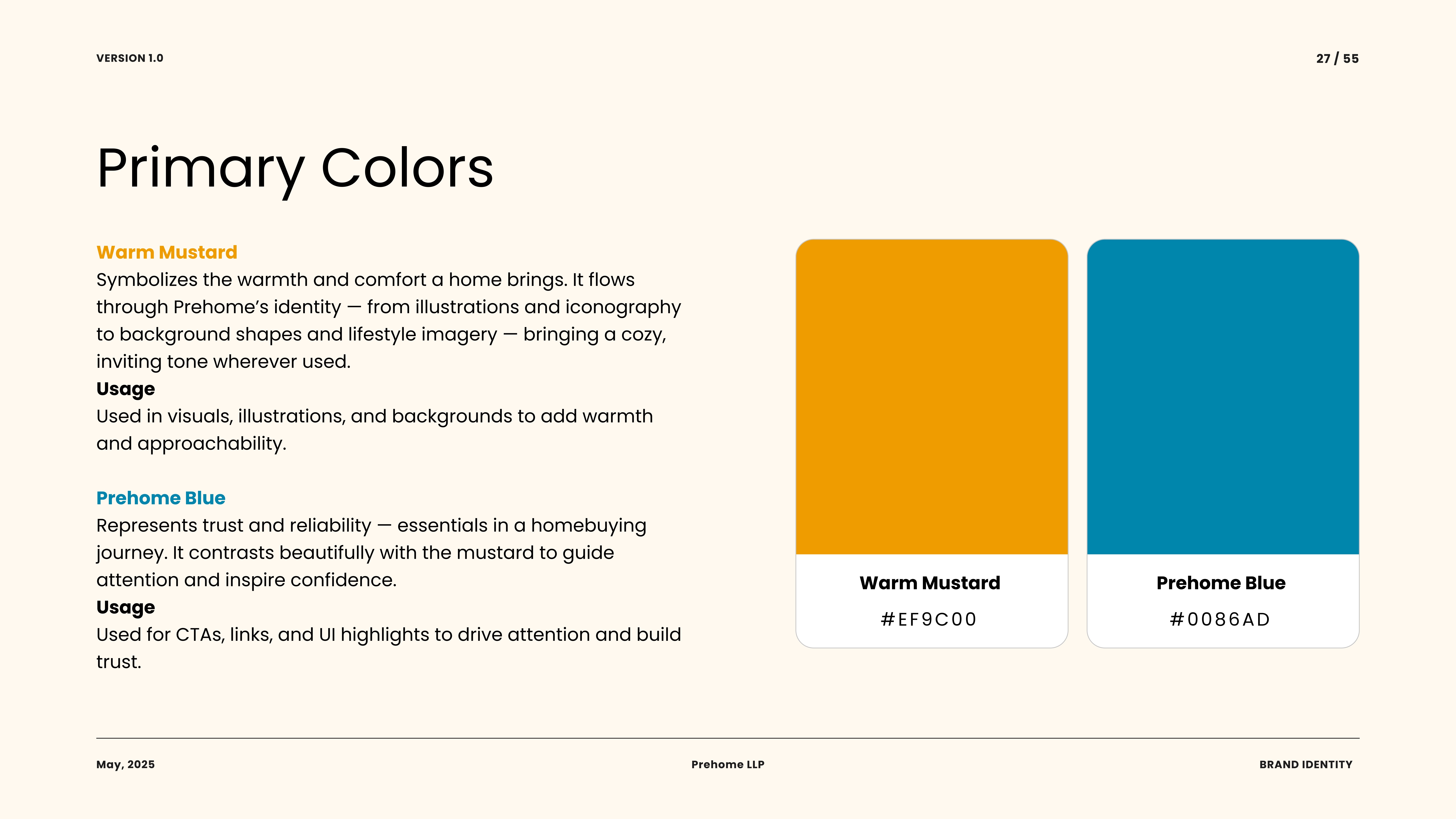
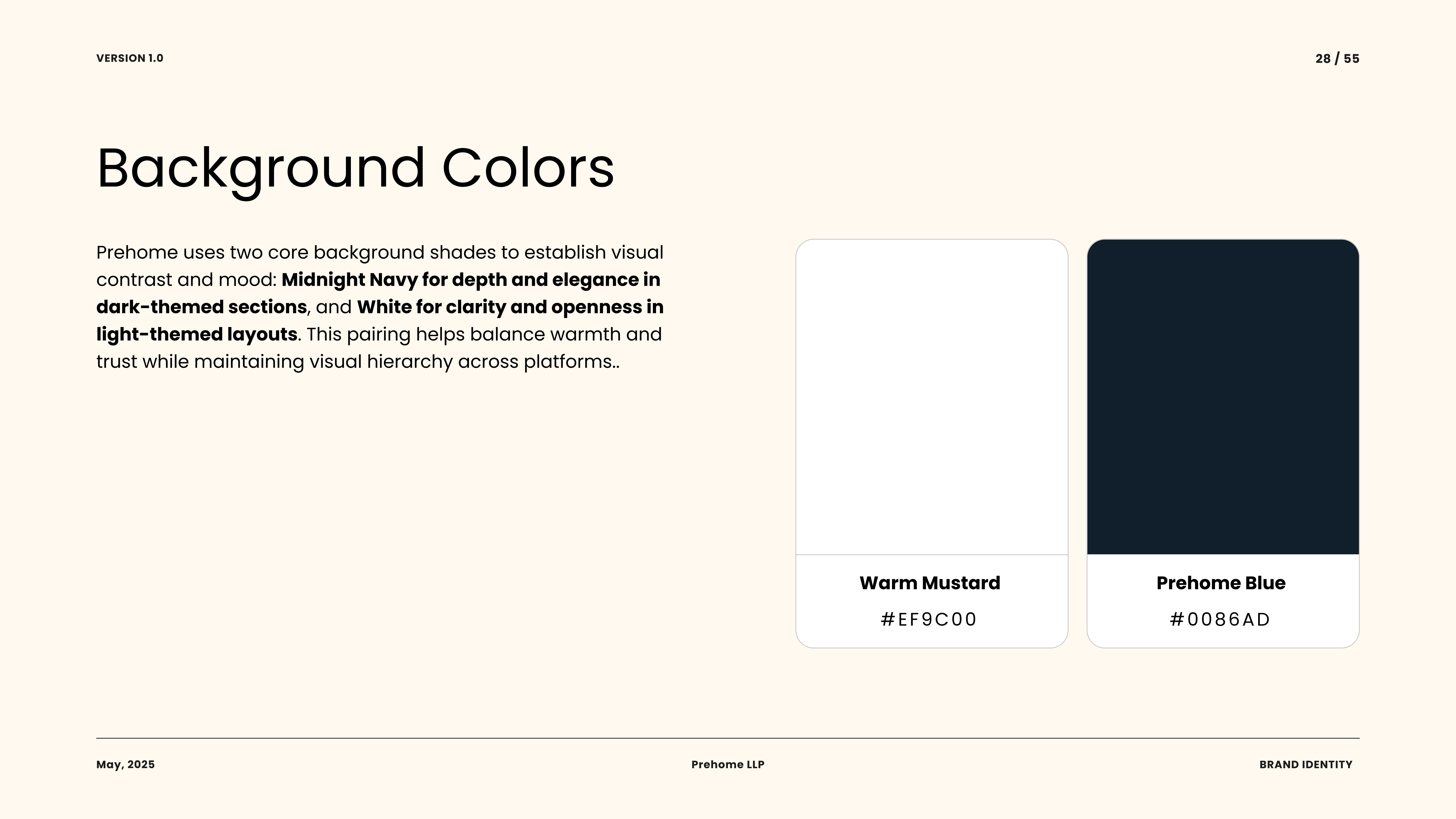
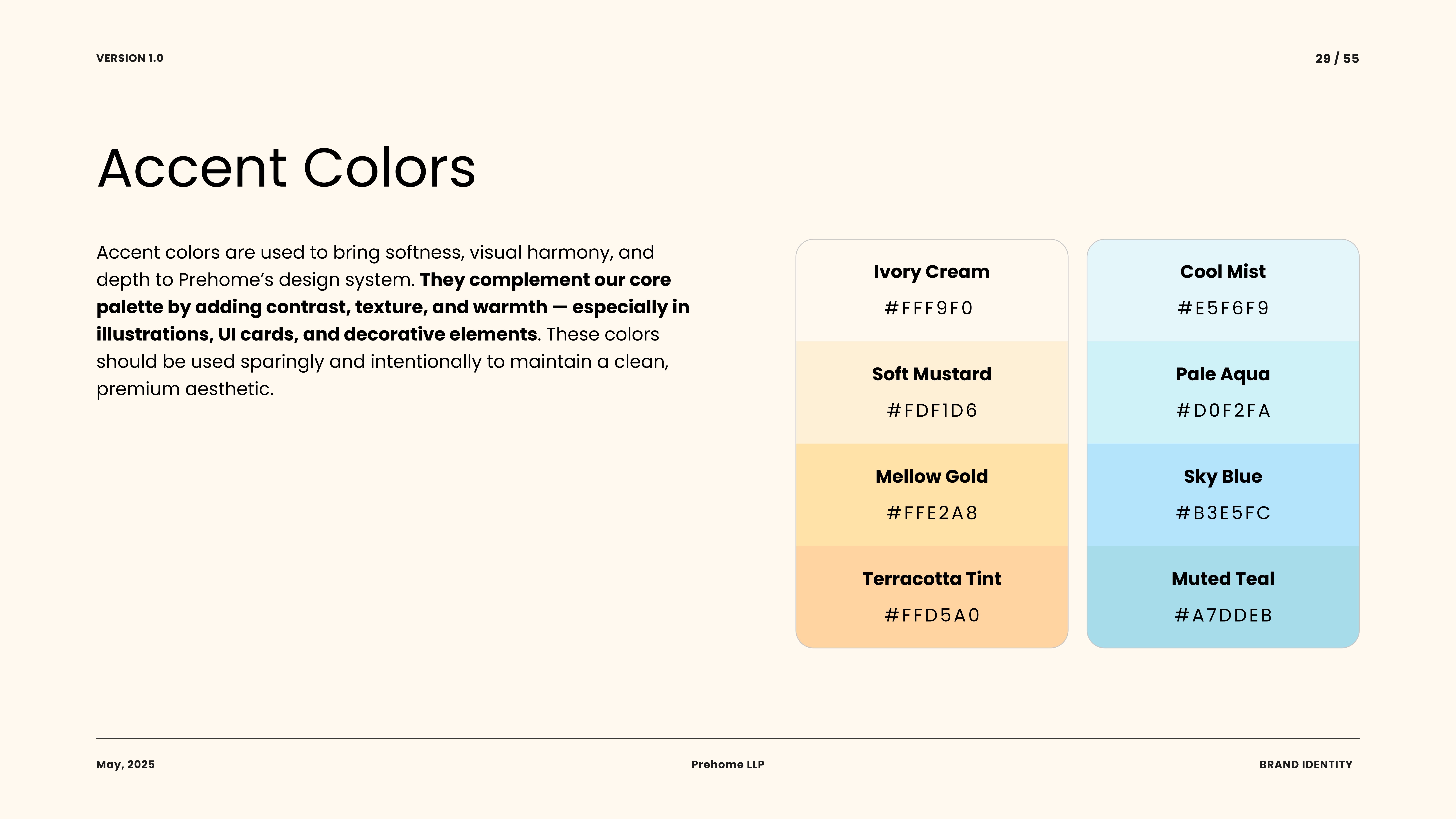
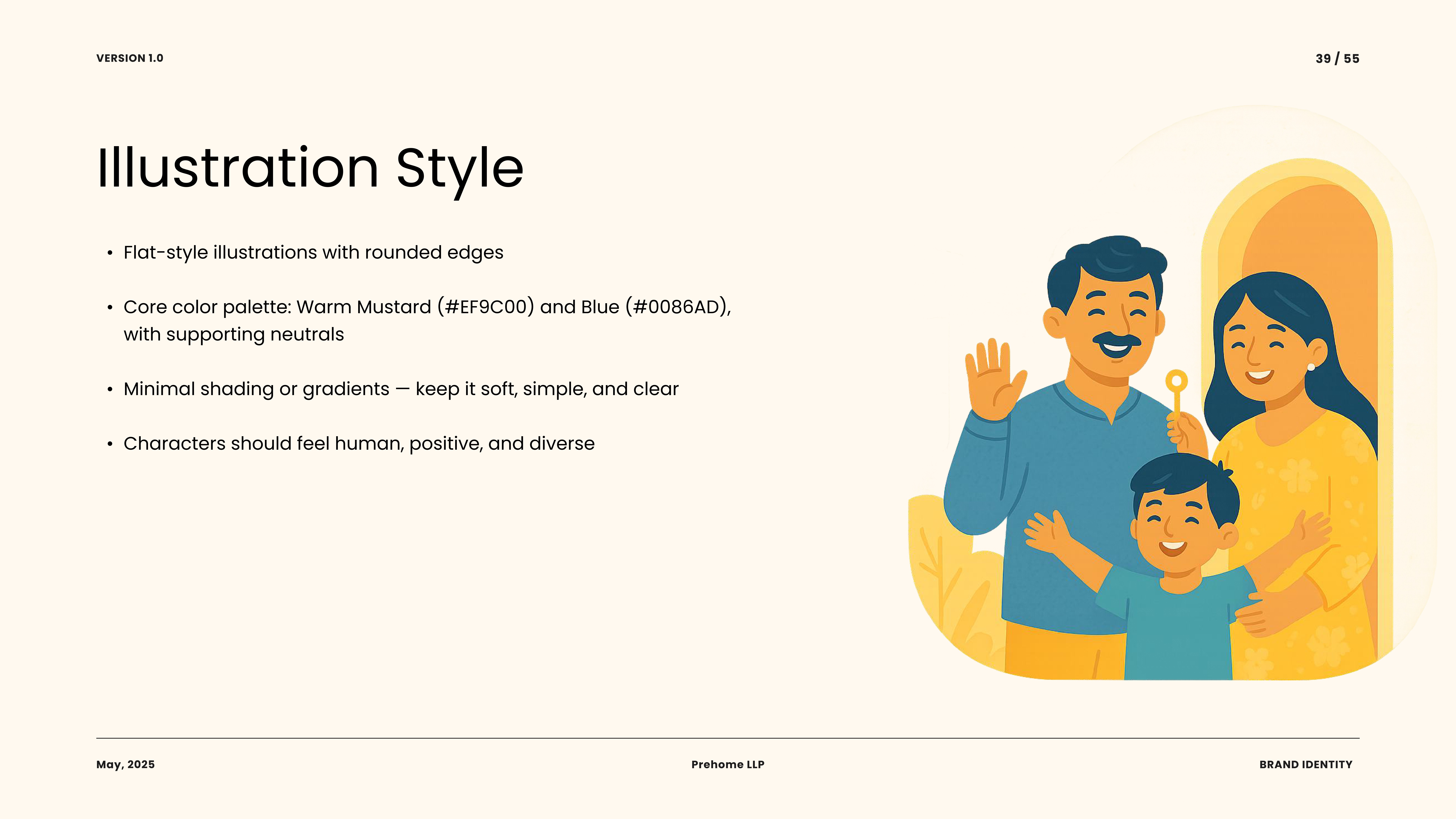
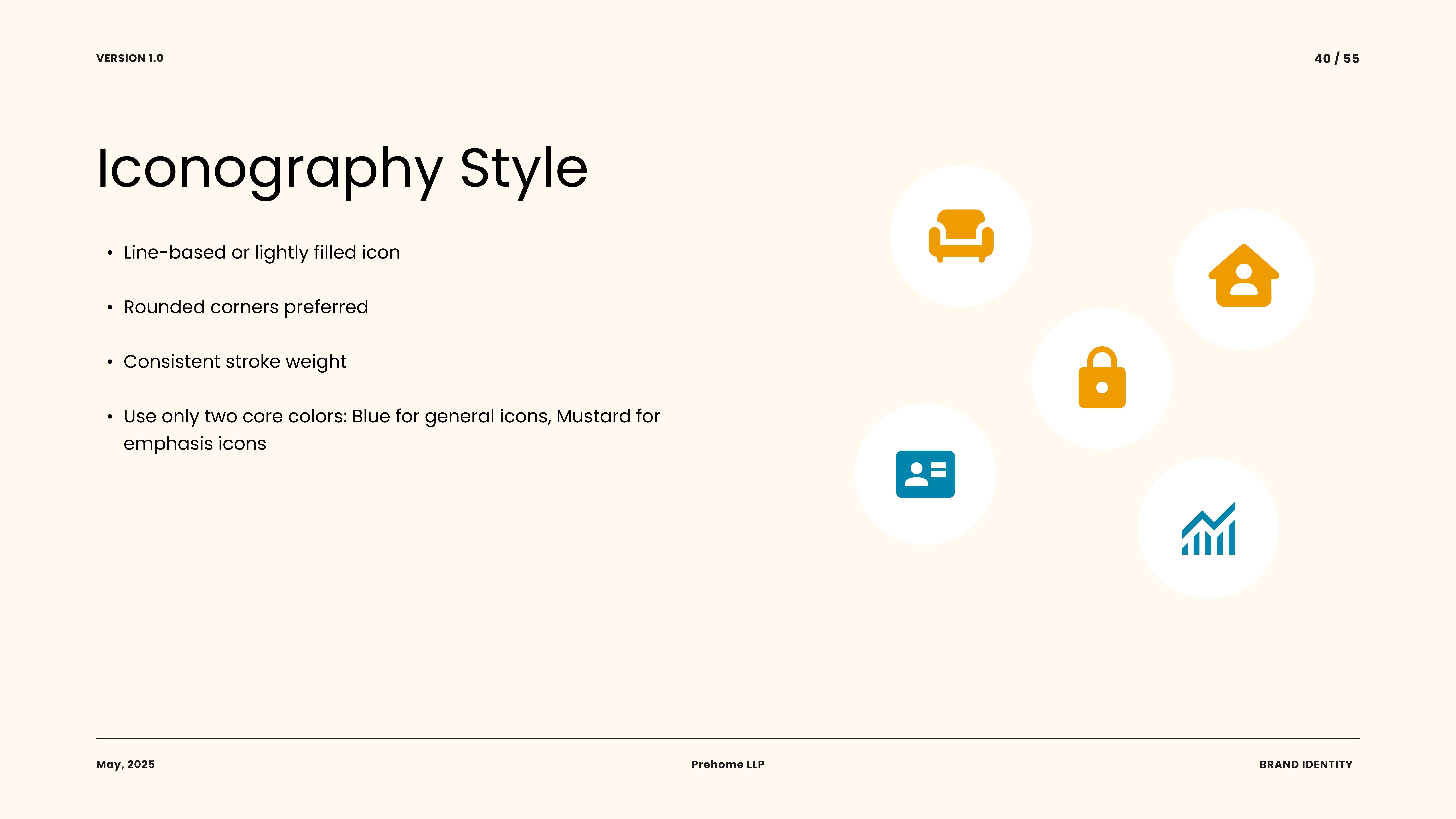
The visual grammar began to take shape: Warm mustard and blue tones to evoke hope and reliability. Rounded shapes to signal openness. Calm typography with generous breathing space, designed for eyes that had read too many contracts and too few promises.Before I designed anything, I spent time speaking to them alongside the founders. These weren’t research subjects; they were stories of longing—people renting the same homes for years but never feeling they belonged. The insights were clear: this was not just a financial problem. It was an emotional one.

Designing the Product Experience: Simplicity as Trust
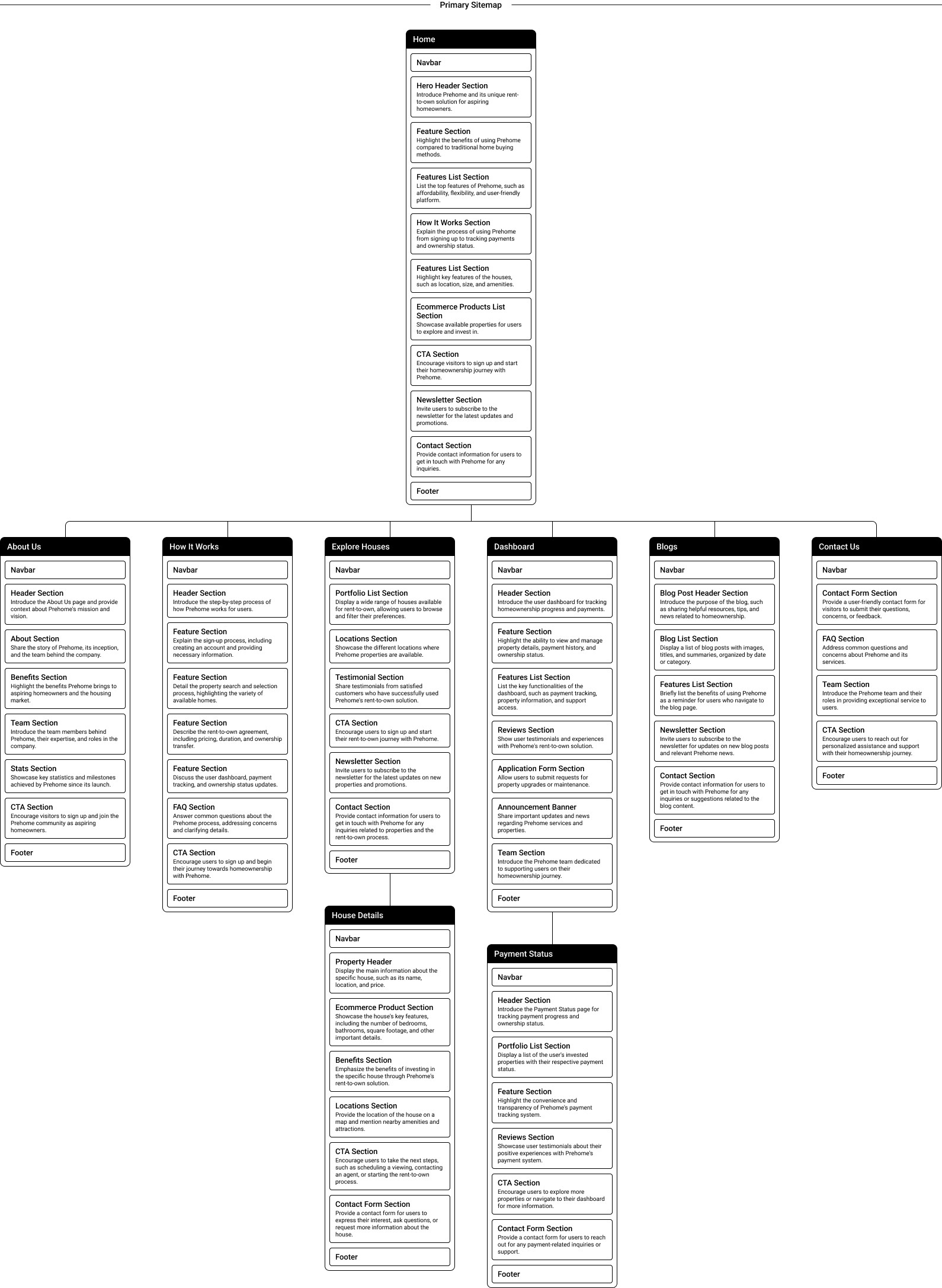
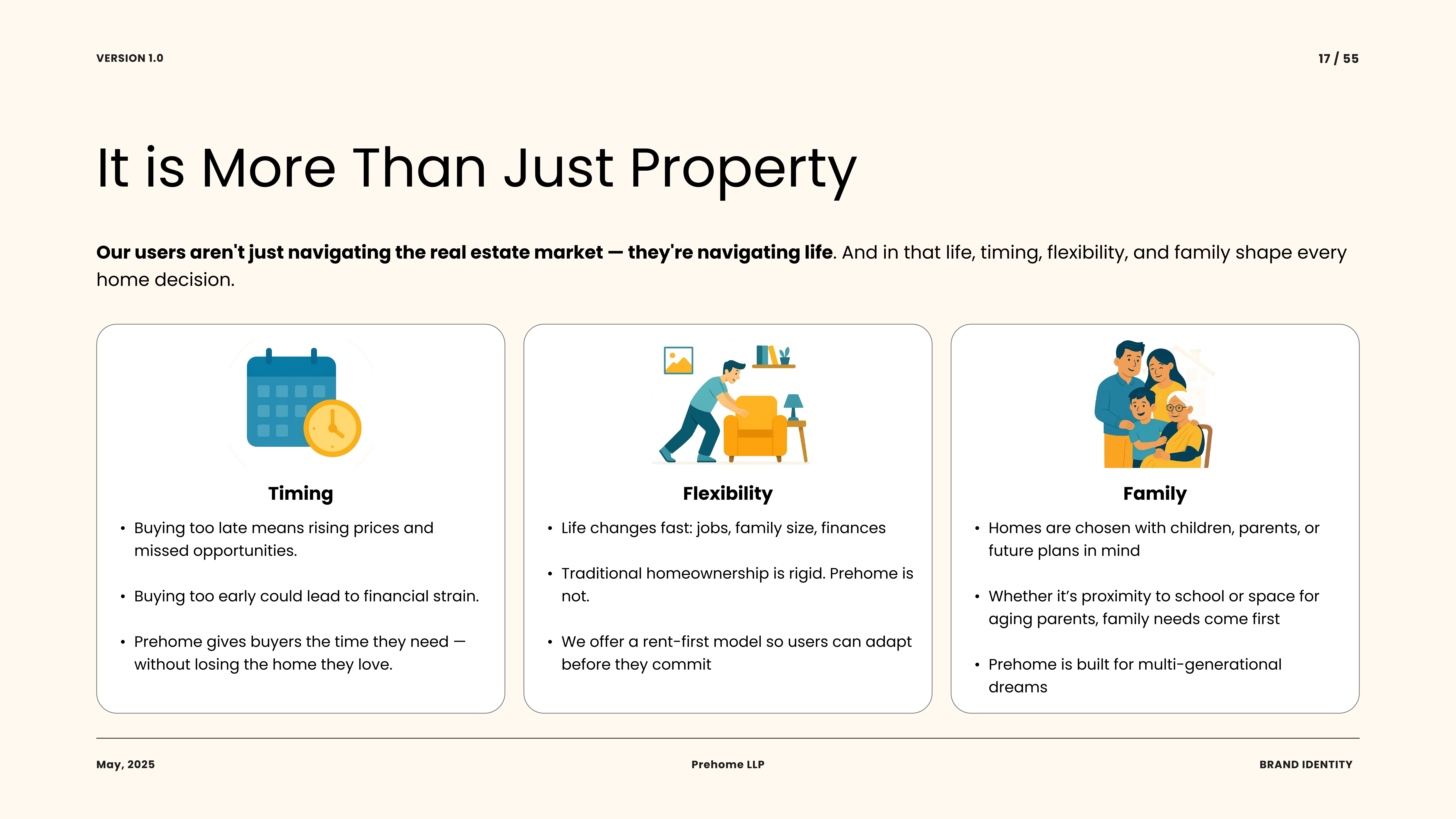
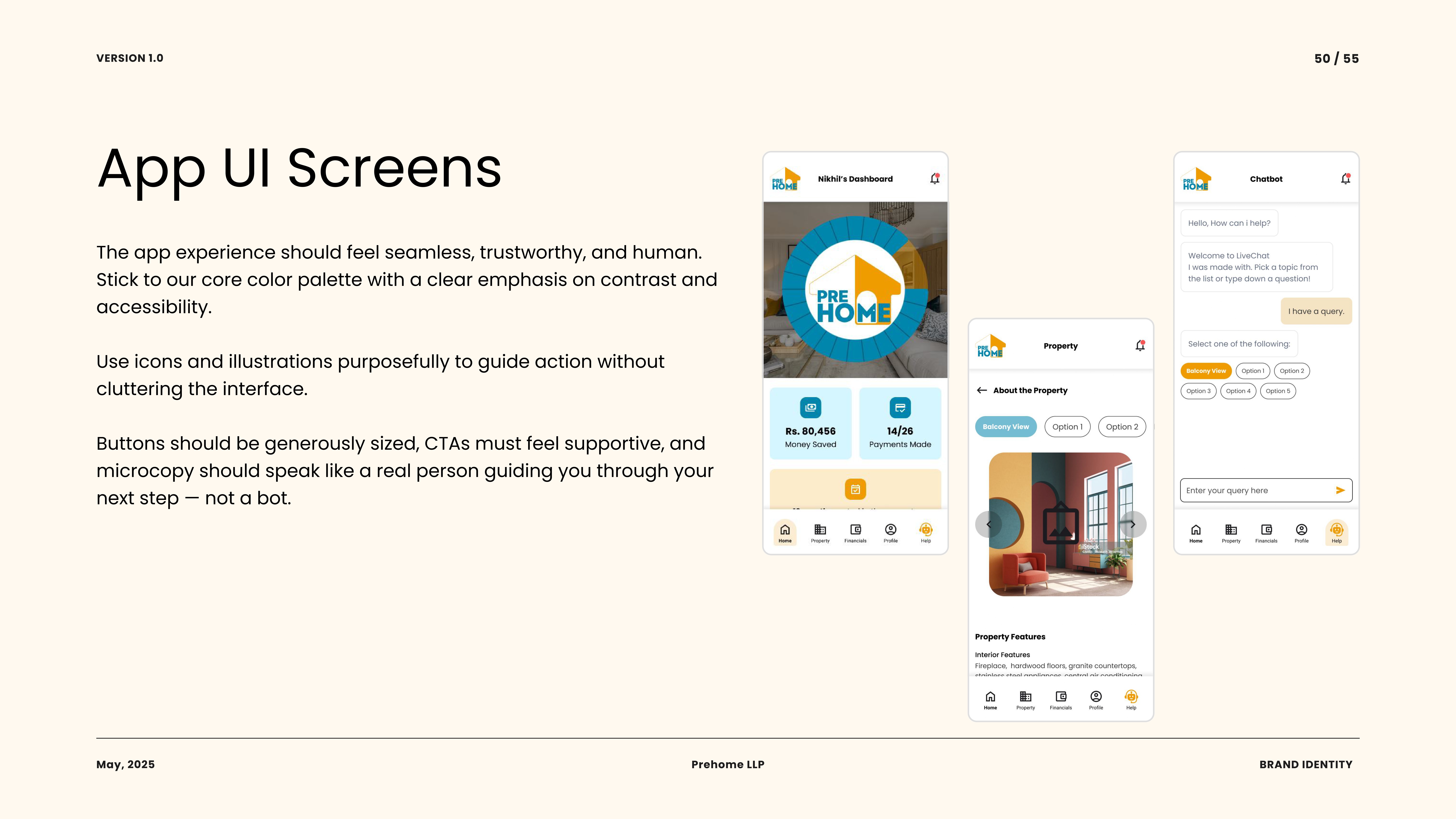
When we started designing the web app, one insight led the way: our users weren’t digital natives; they were dreamers over 35.
They didn’t want another dashboard—they wanted clarity.
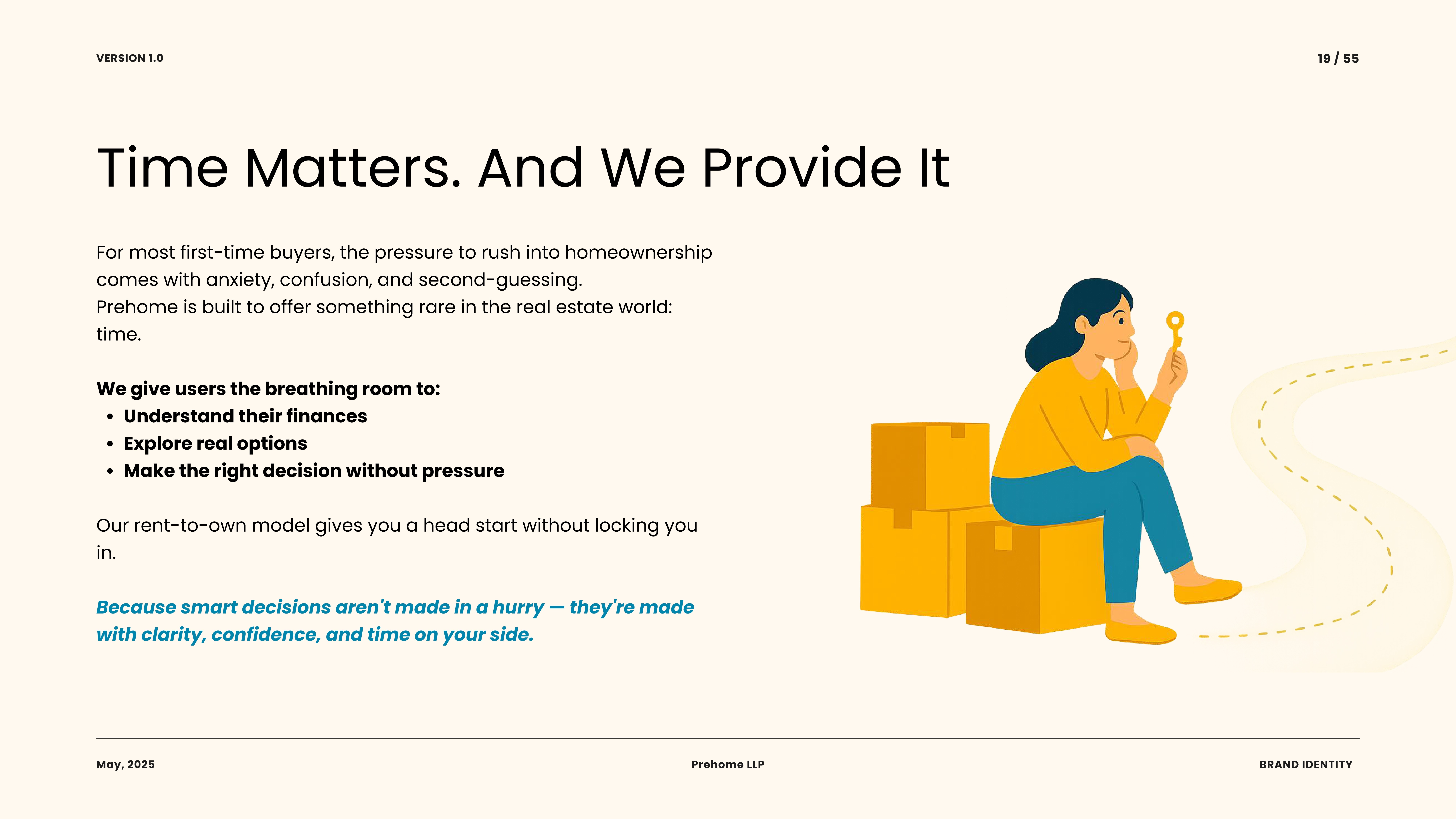
So I designed Prehome with large typography, high-contrast layouts, and a visual rhythm that slowed the experience down—because trust is built in pauses, not pushes.
The design goals were simple:
Simplify the complex. Rent-to-own calculations can intimidate anyone. I transformed those into visual progress metaphors—showing how every month of rent brought the user closer to ownership.
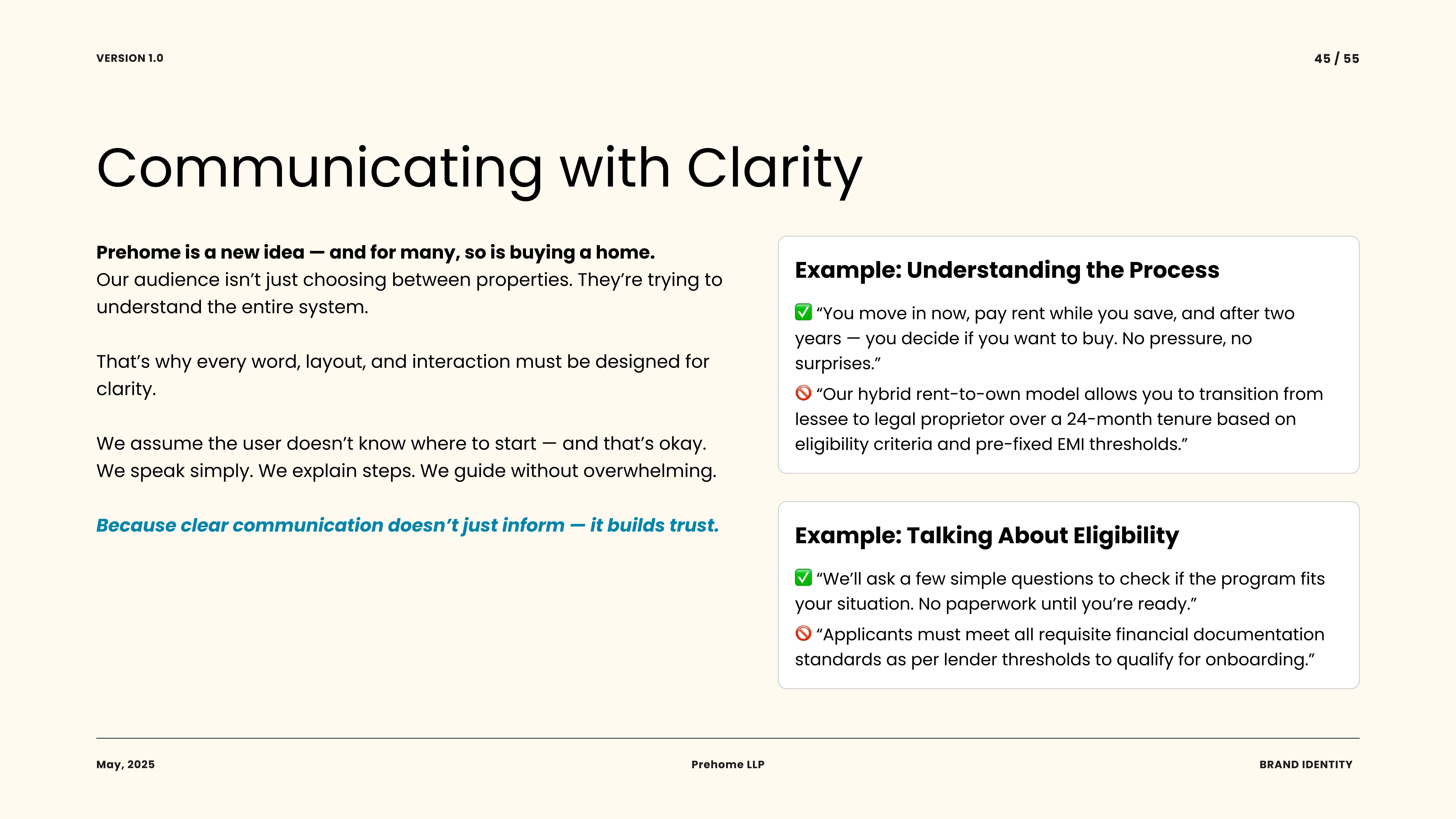
Guide without overwhelming. Instead of technical terms, the interface spoke human.
Calm, not sell. Every screen was designed to reassure, not impress.
We built calculators and comparison tools that translated financial equations into emotional progress—"This is how close you are to your home.”
And just like that, the product became more than a transaction.
It became a conversation between ambition and possibility.
Building the Brand: The Moment It All Came Together
After months of iteration, Prehome finally started to look—and feel—like itself.
All the threads came together:
The emotional insight from interviews.
The visual language from daily sketches.
The clarity from product testing.
This was no longer just a concept; it was an identity.
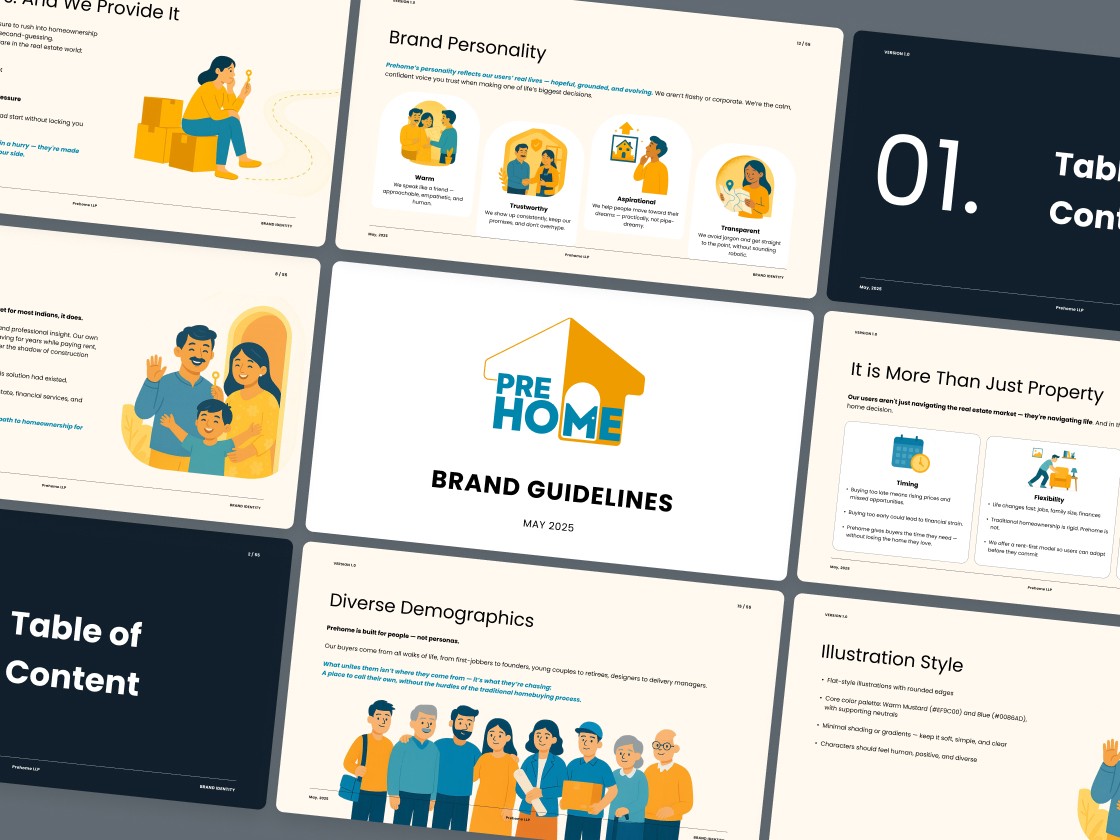
I defined the entire brand system—from logo to language.
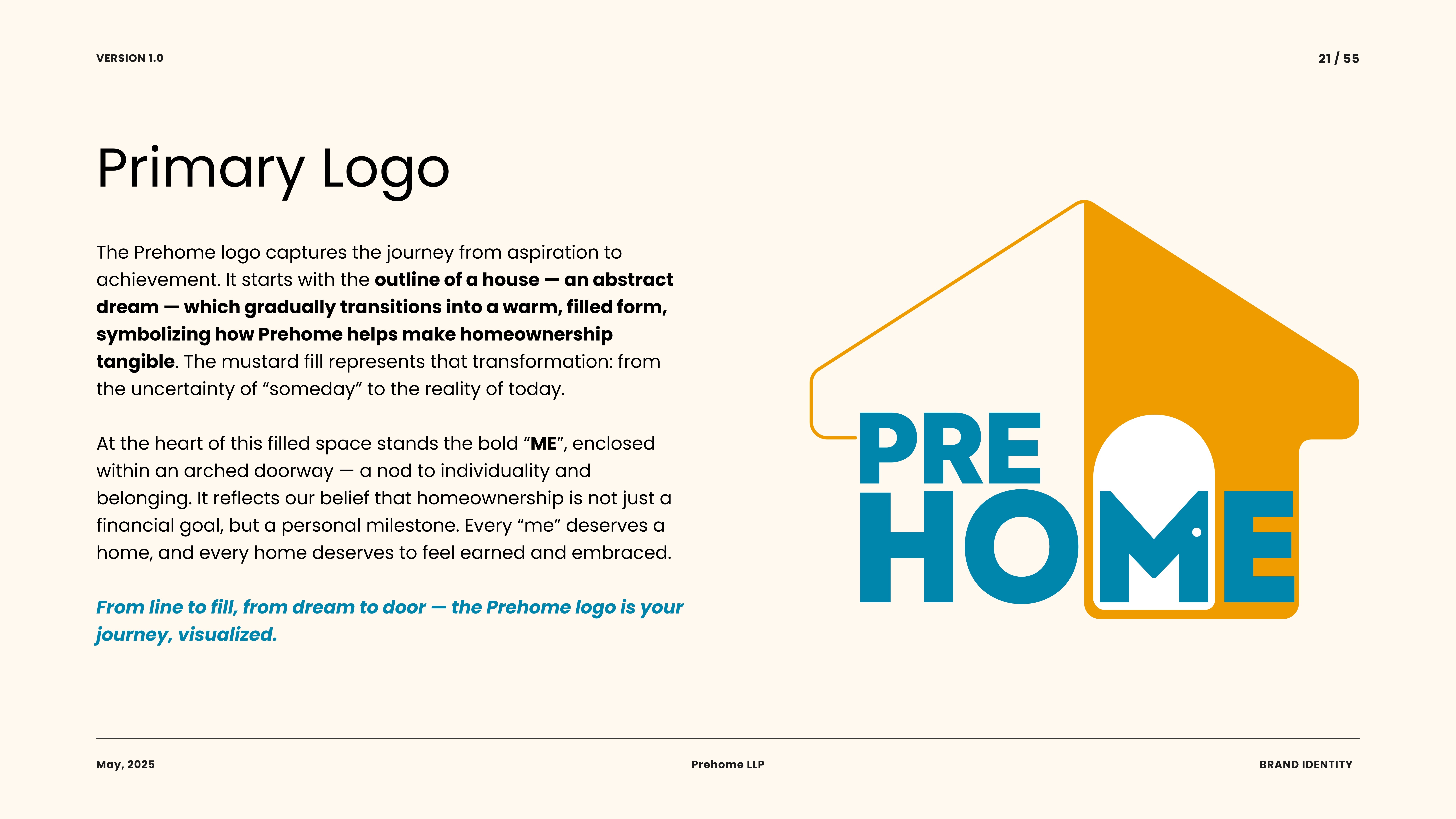
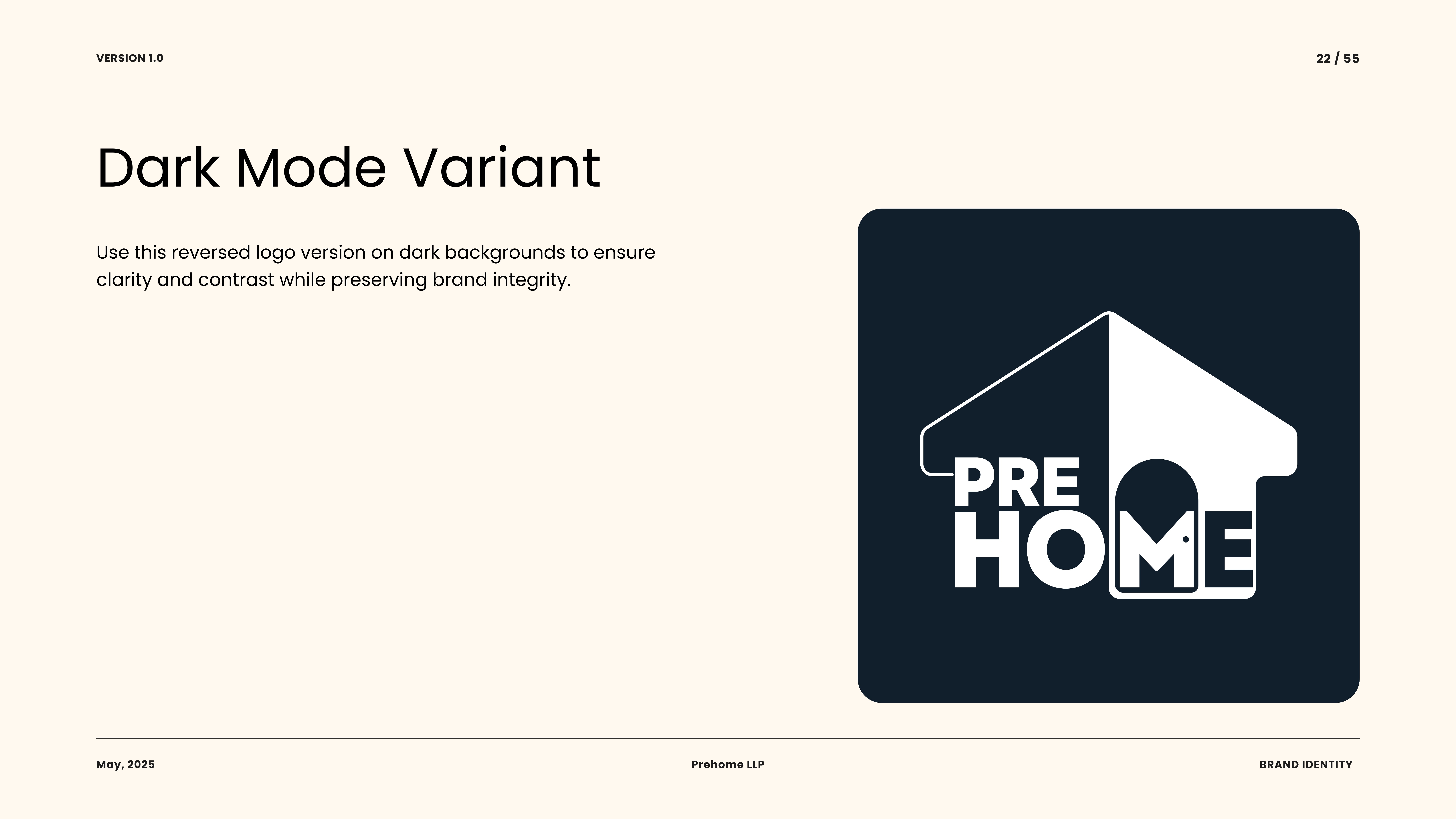
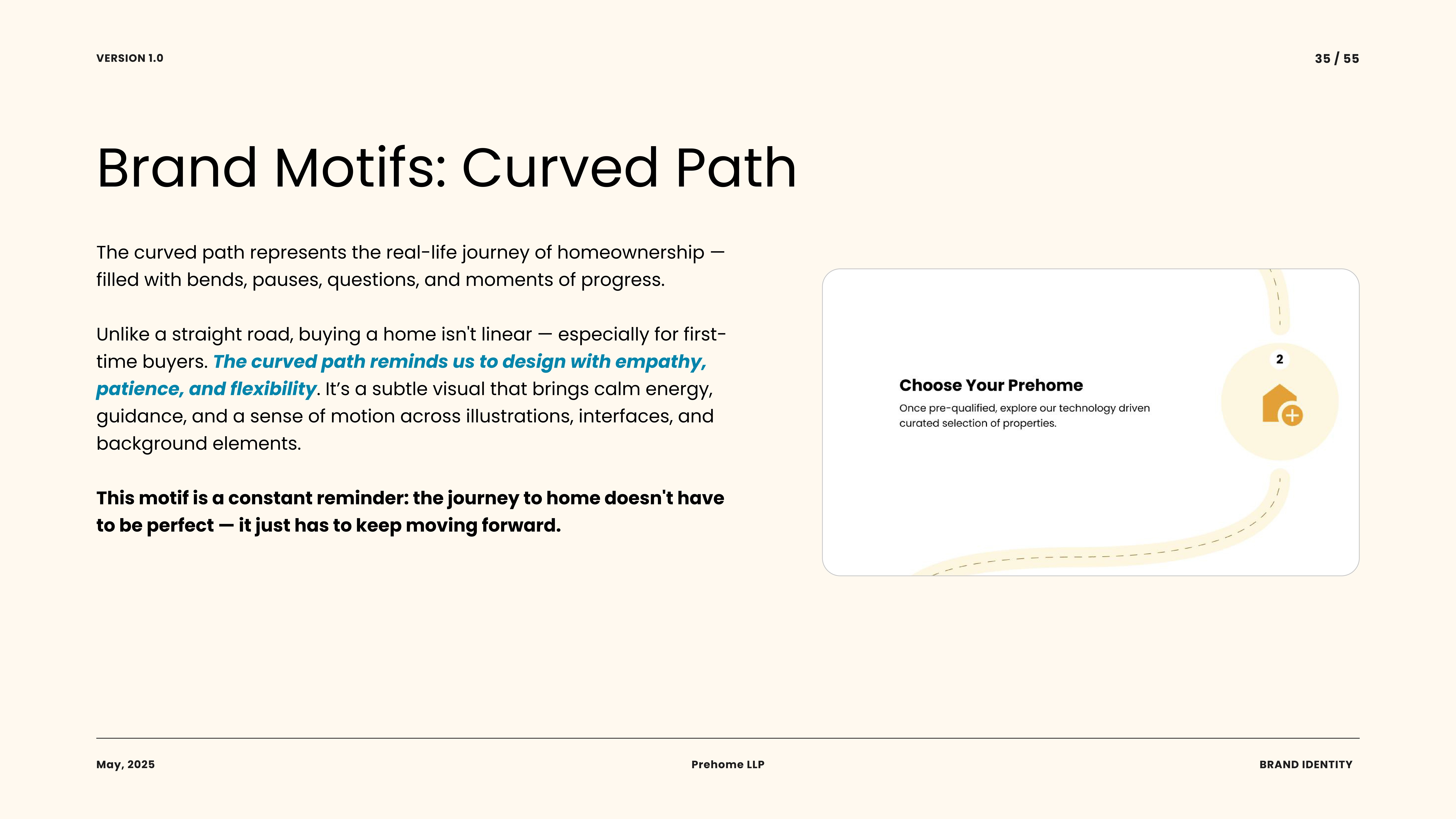
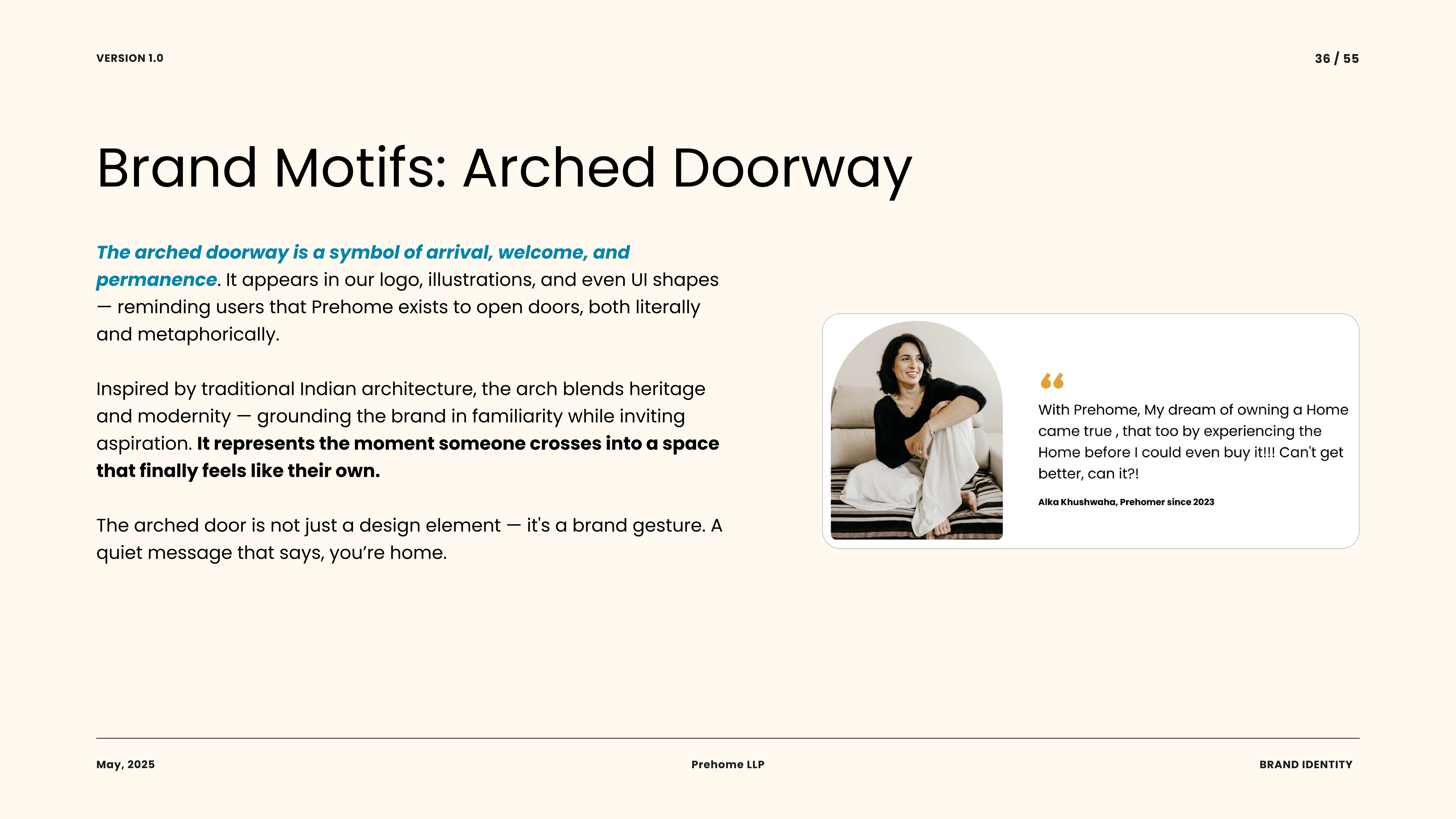
The logo symbolized both a doorway and a path forward, encapsulating movement and arrival.
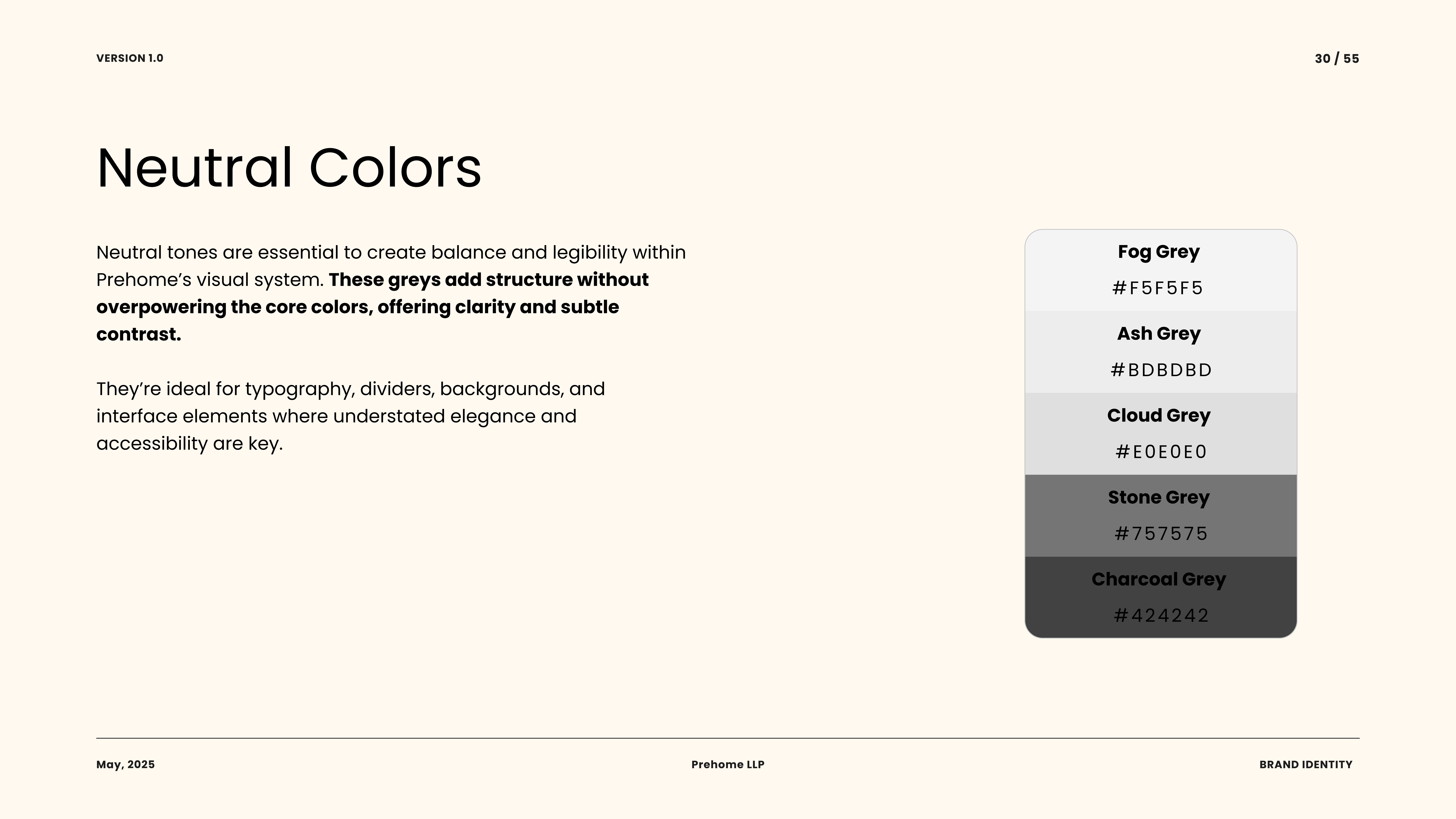
The colors—warm mustard (#EF9C00) and blue (#0086AD)—became the emotional pillars: optimism and reliability.
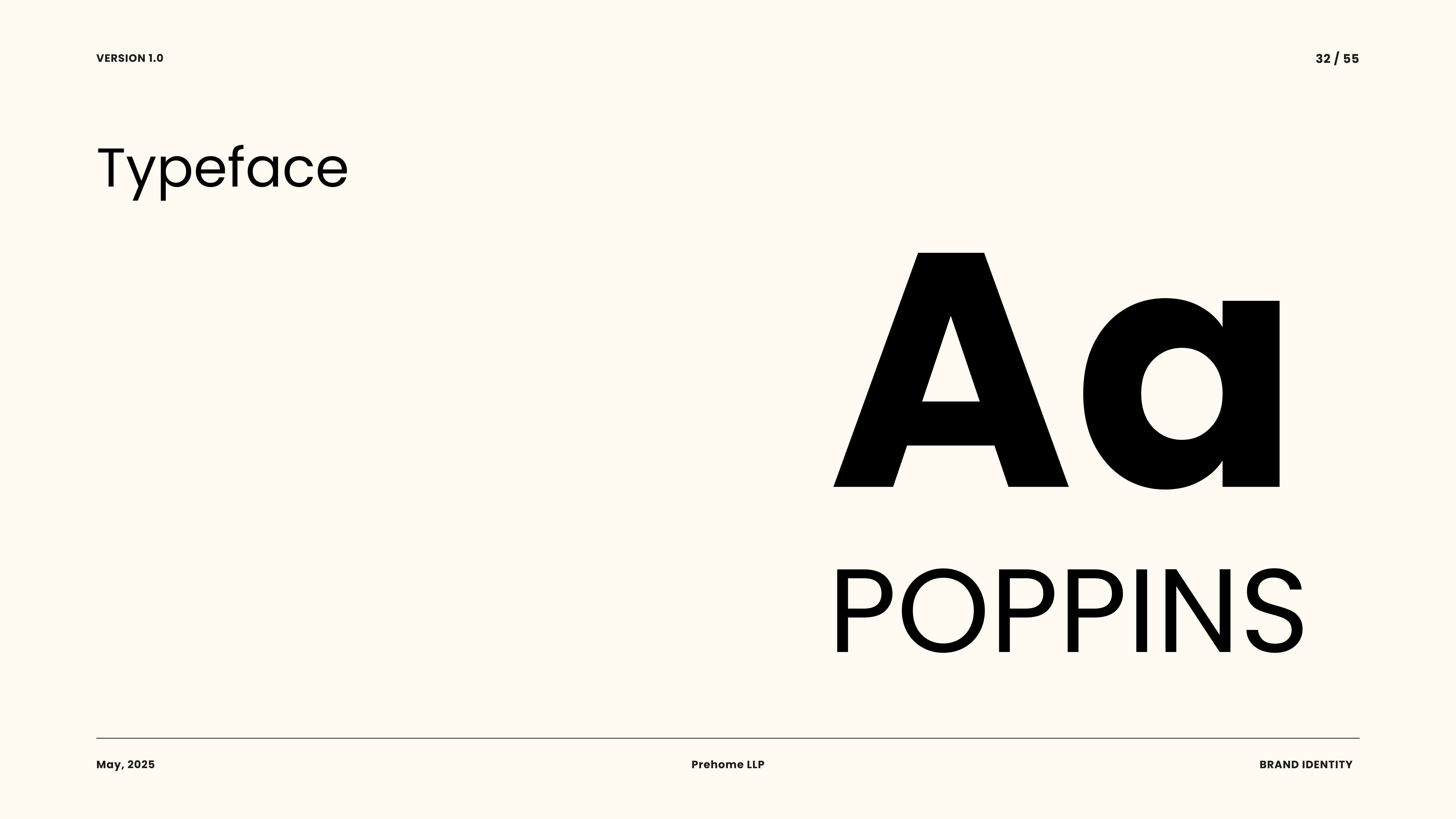
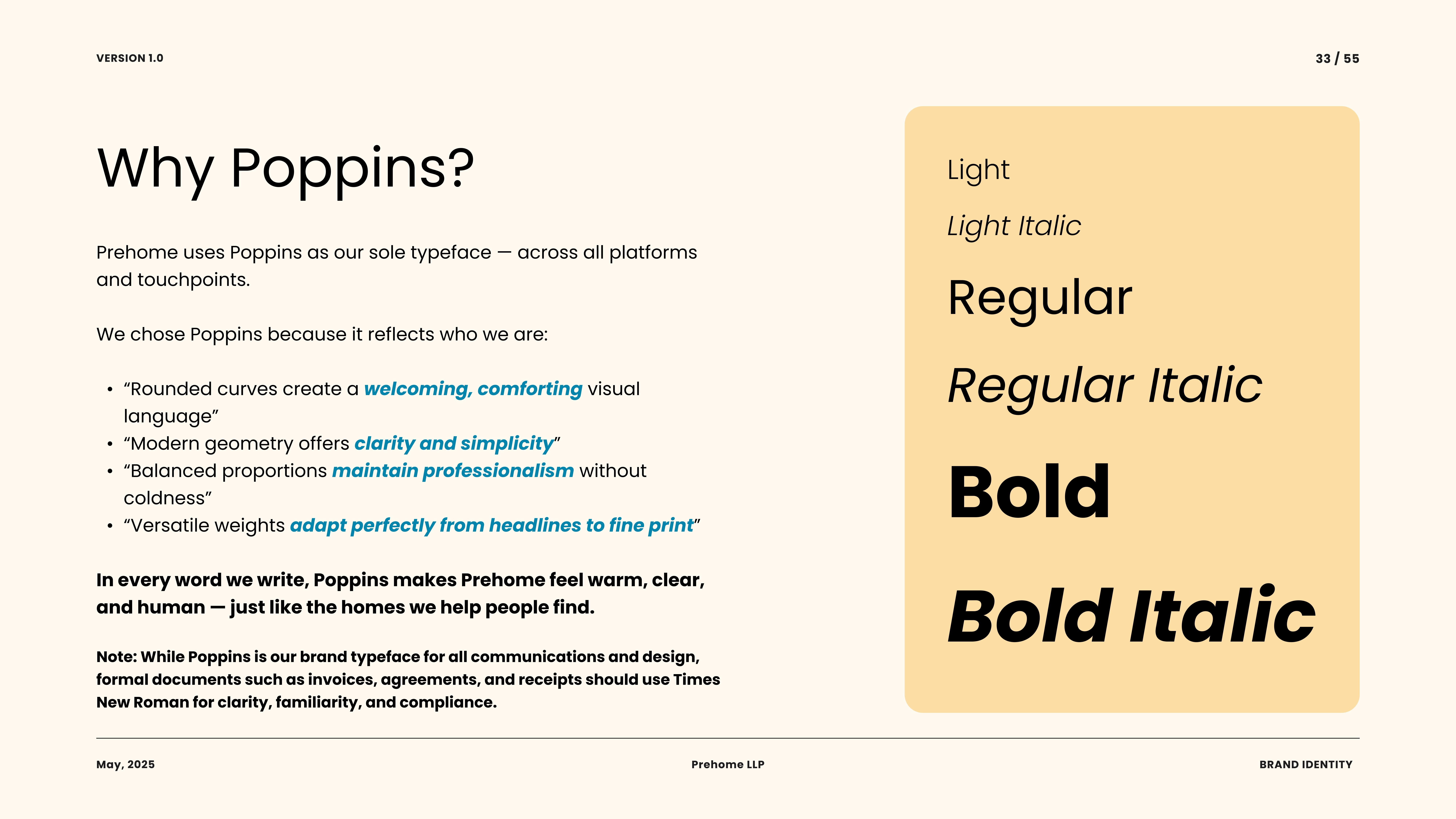
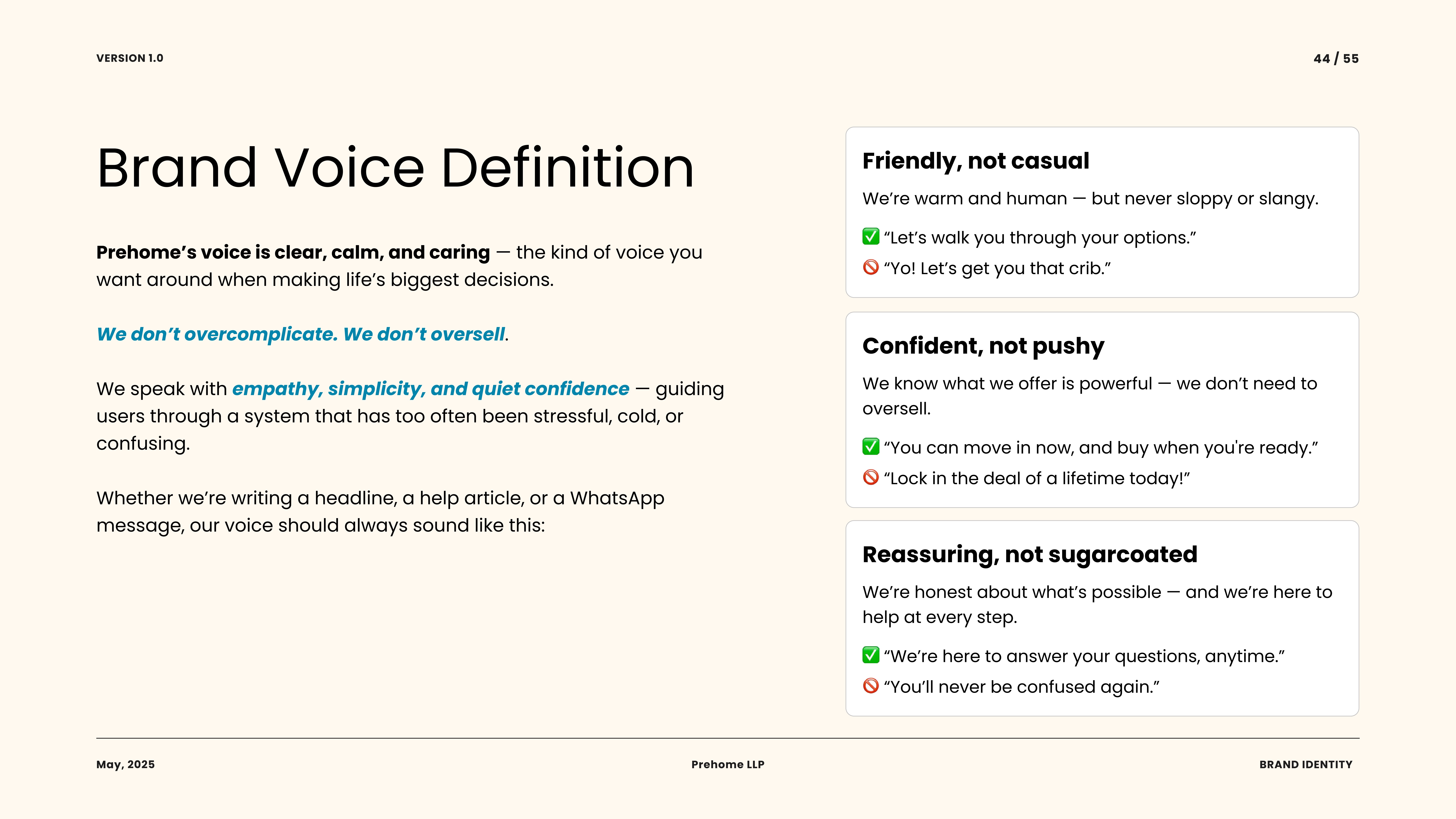
Typography followed the same philosophy—modern, geometric, but never cold.
Every brand element was guided by a single truth:
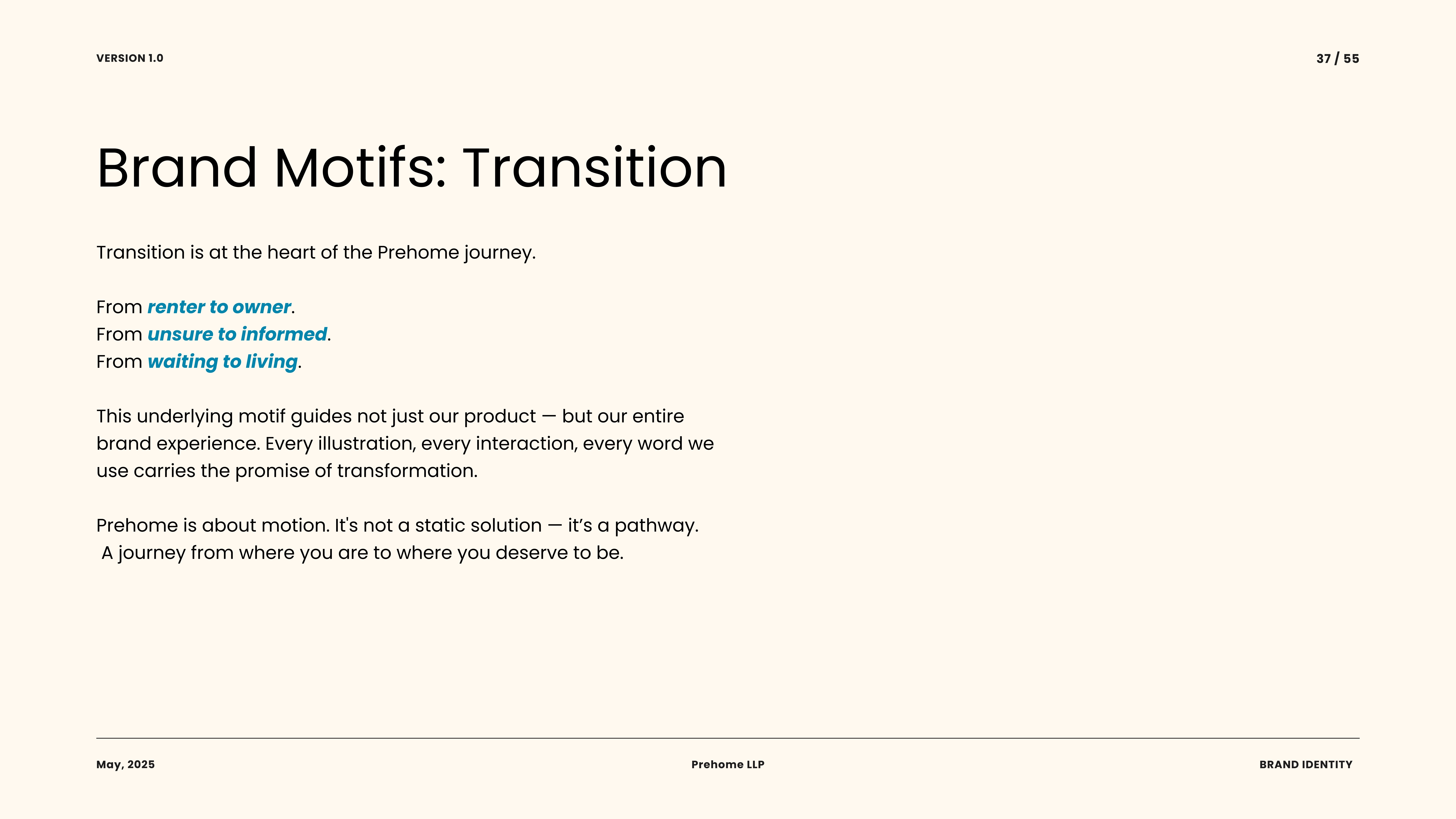
Owning a home isn’t a transaction. It’s a transition. And that belief bled into every pixel, word, and frame.
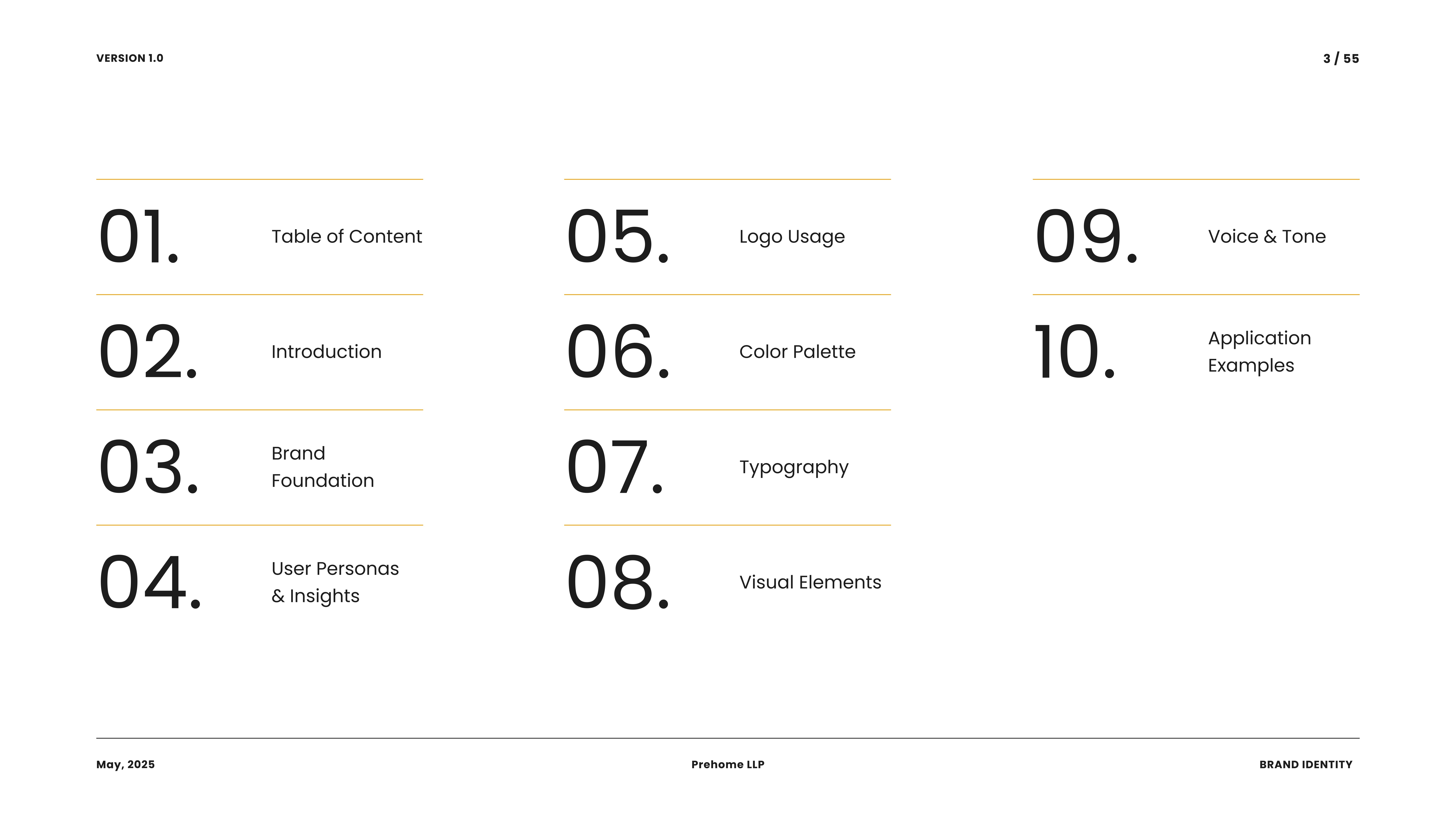
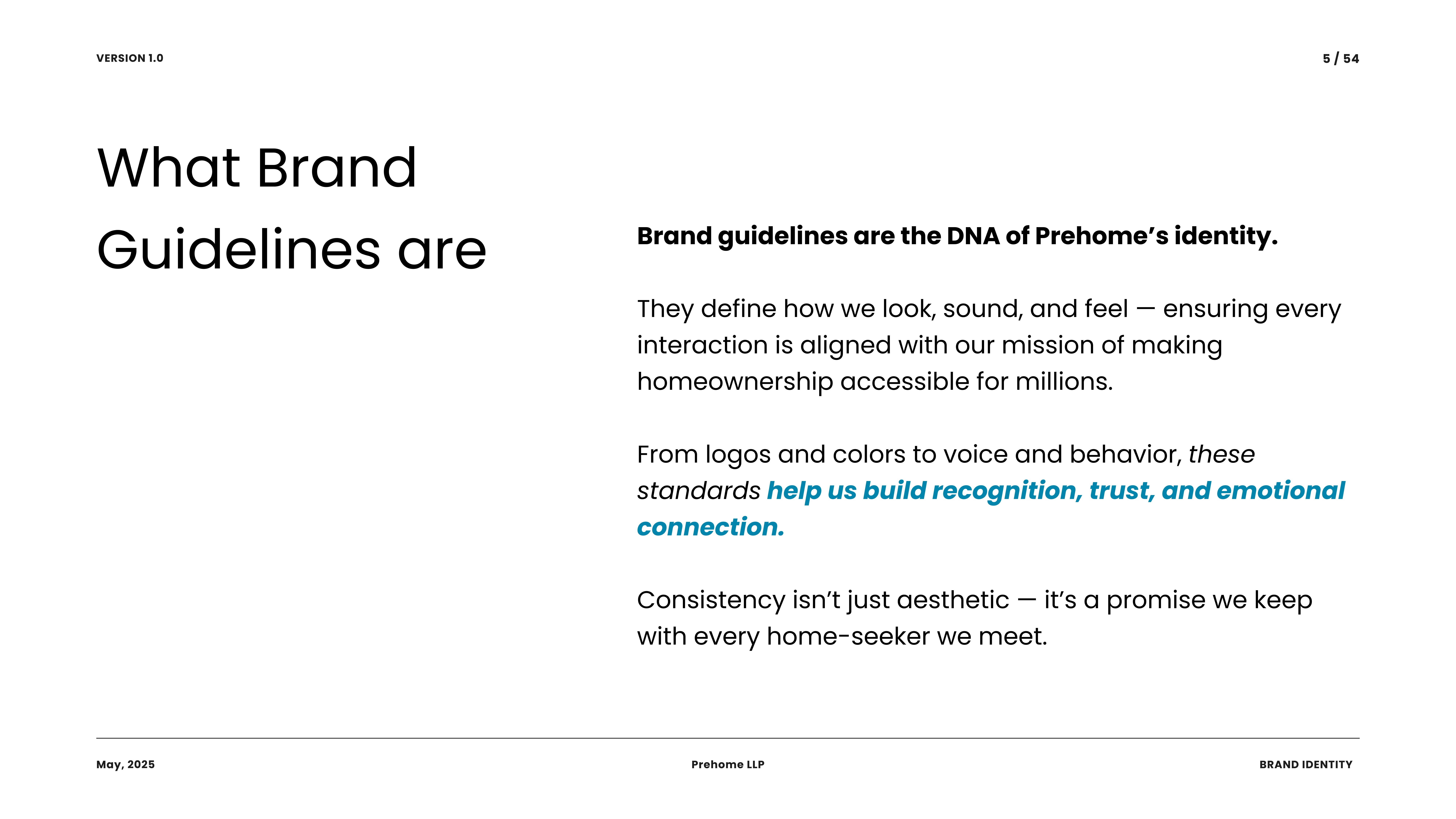
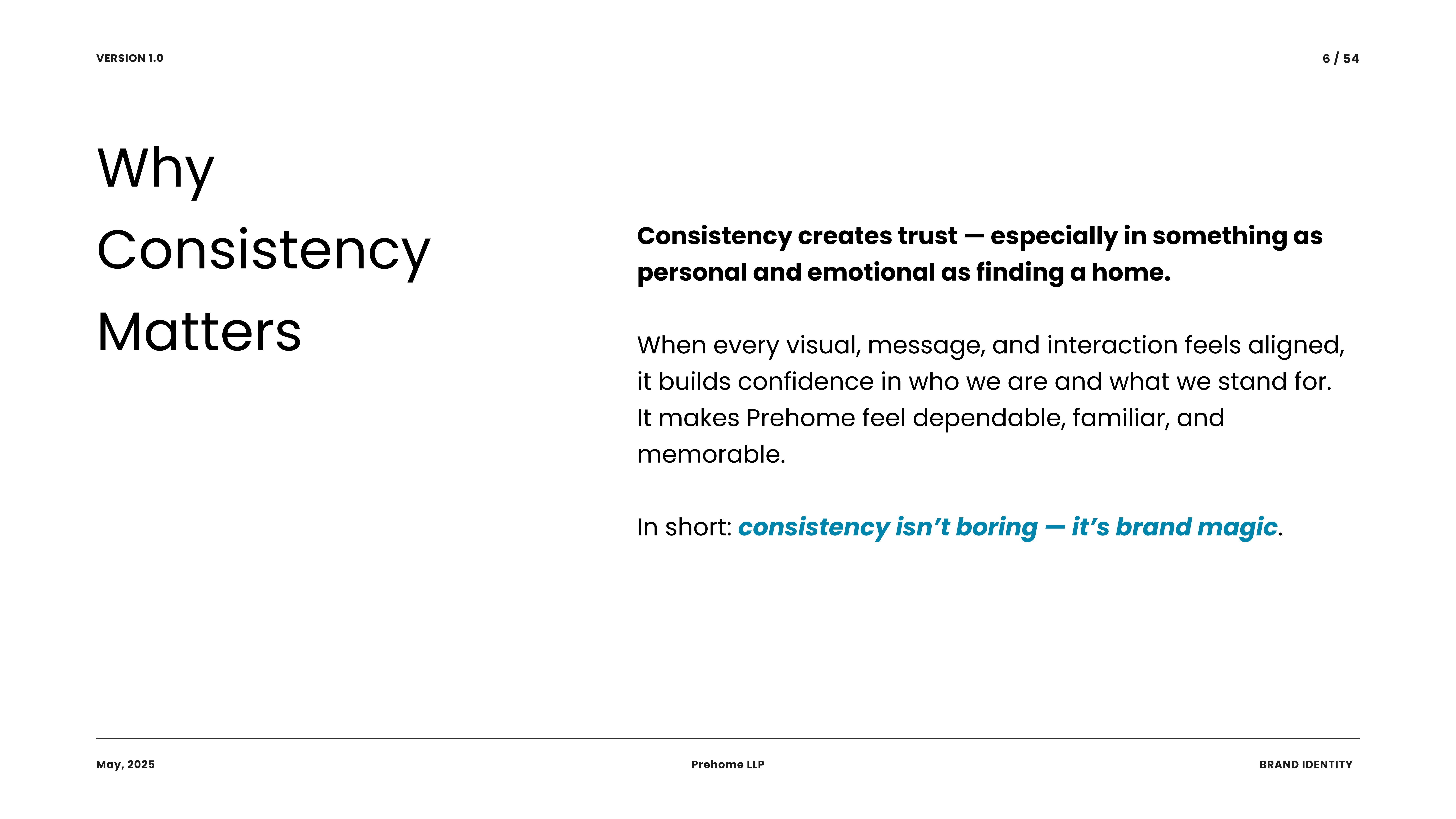
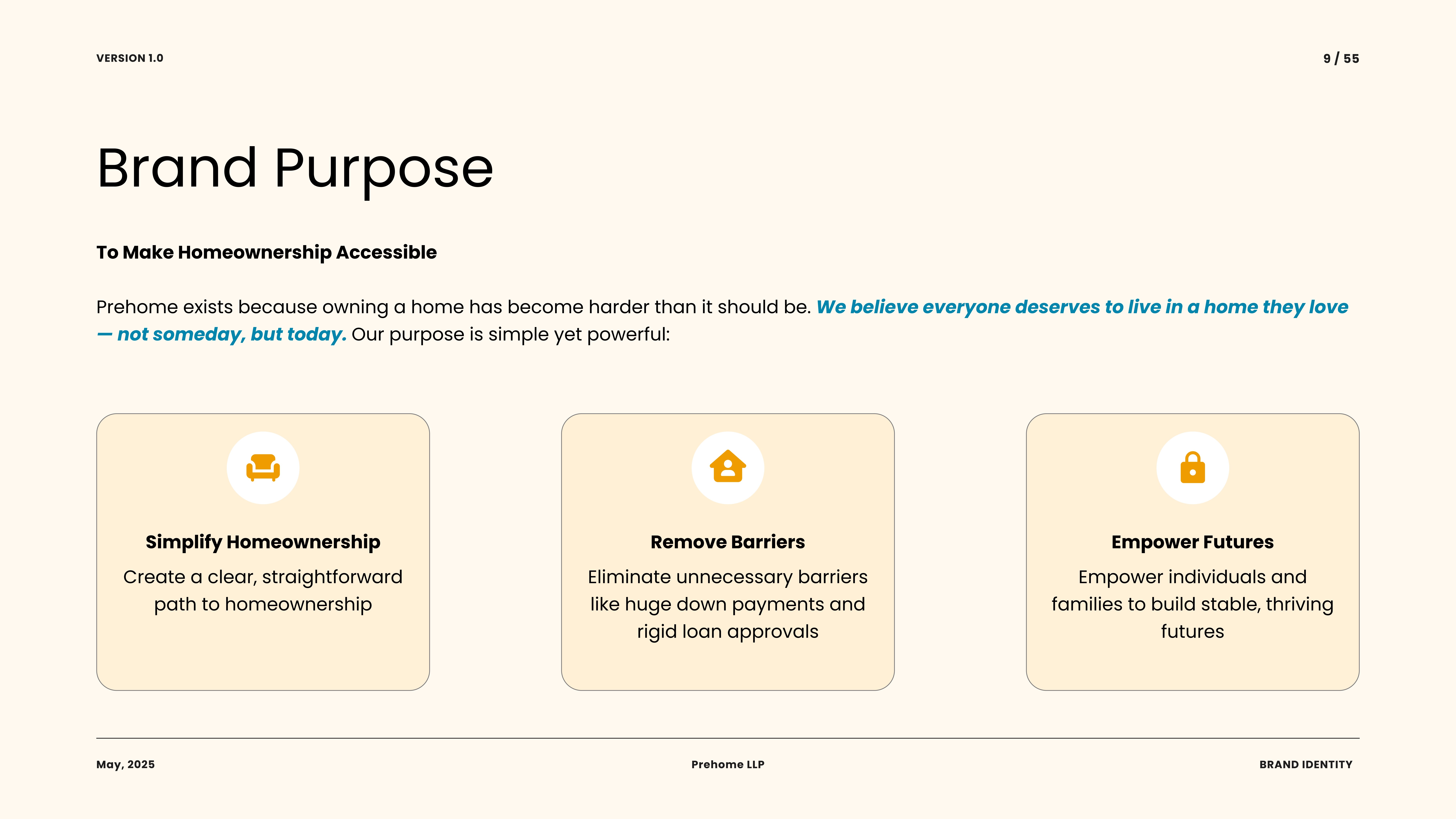
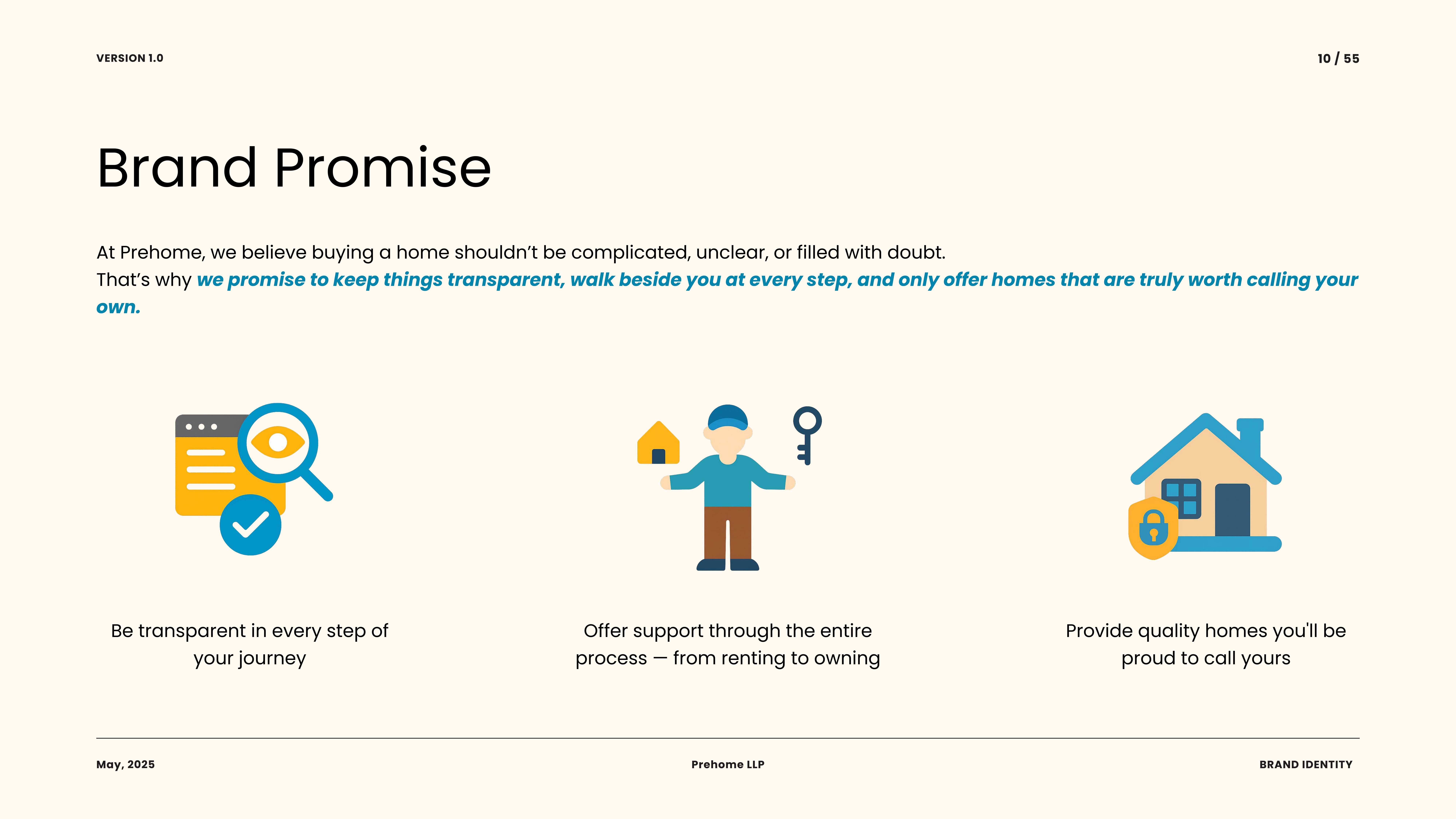
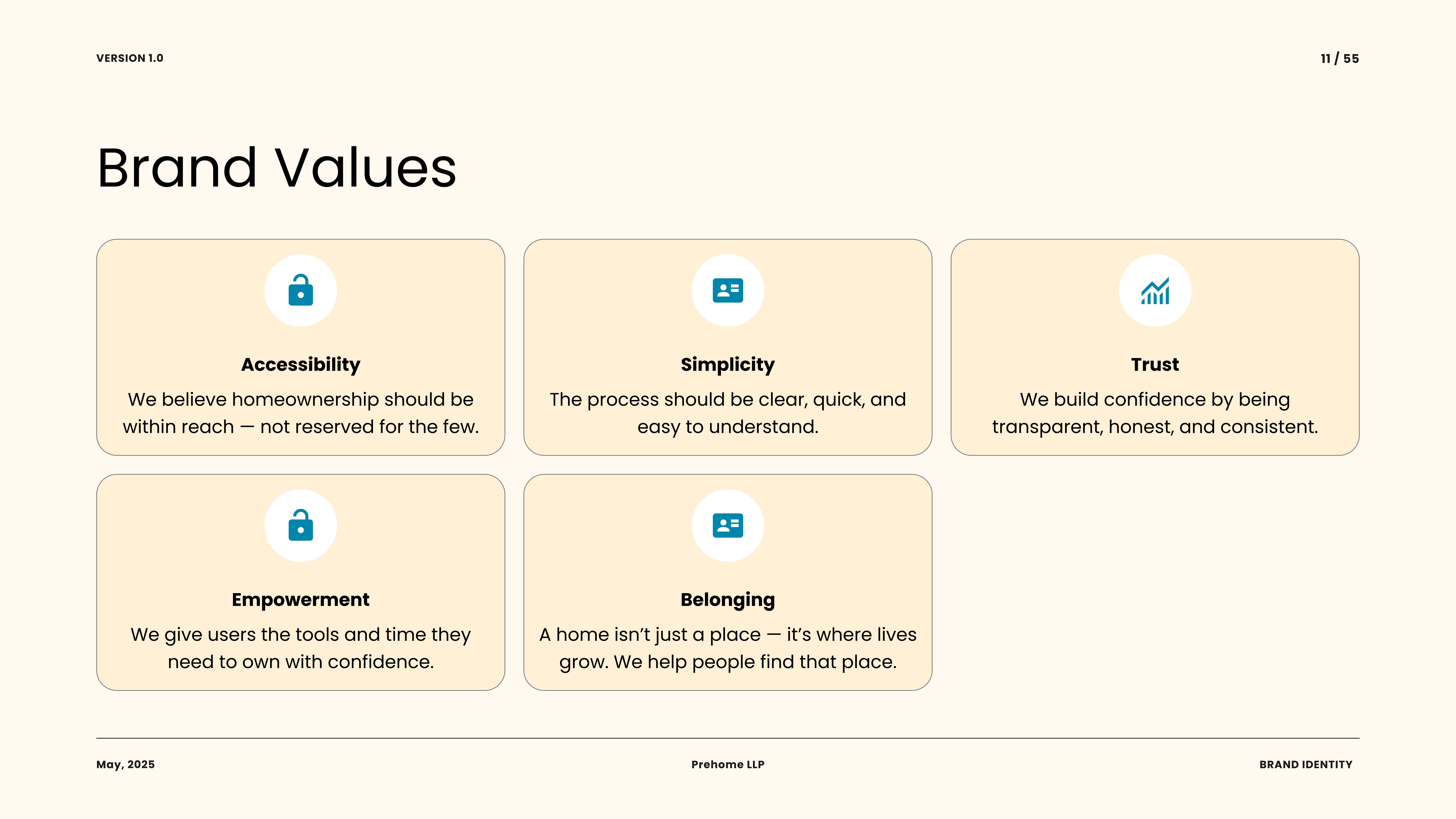
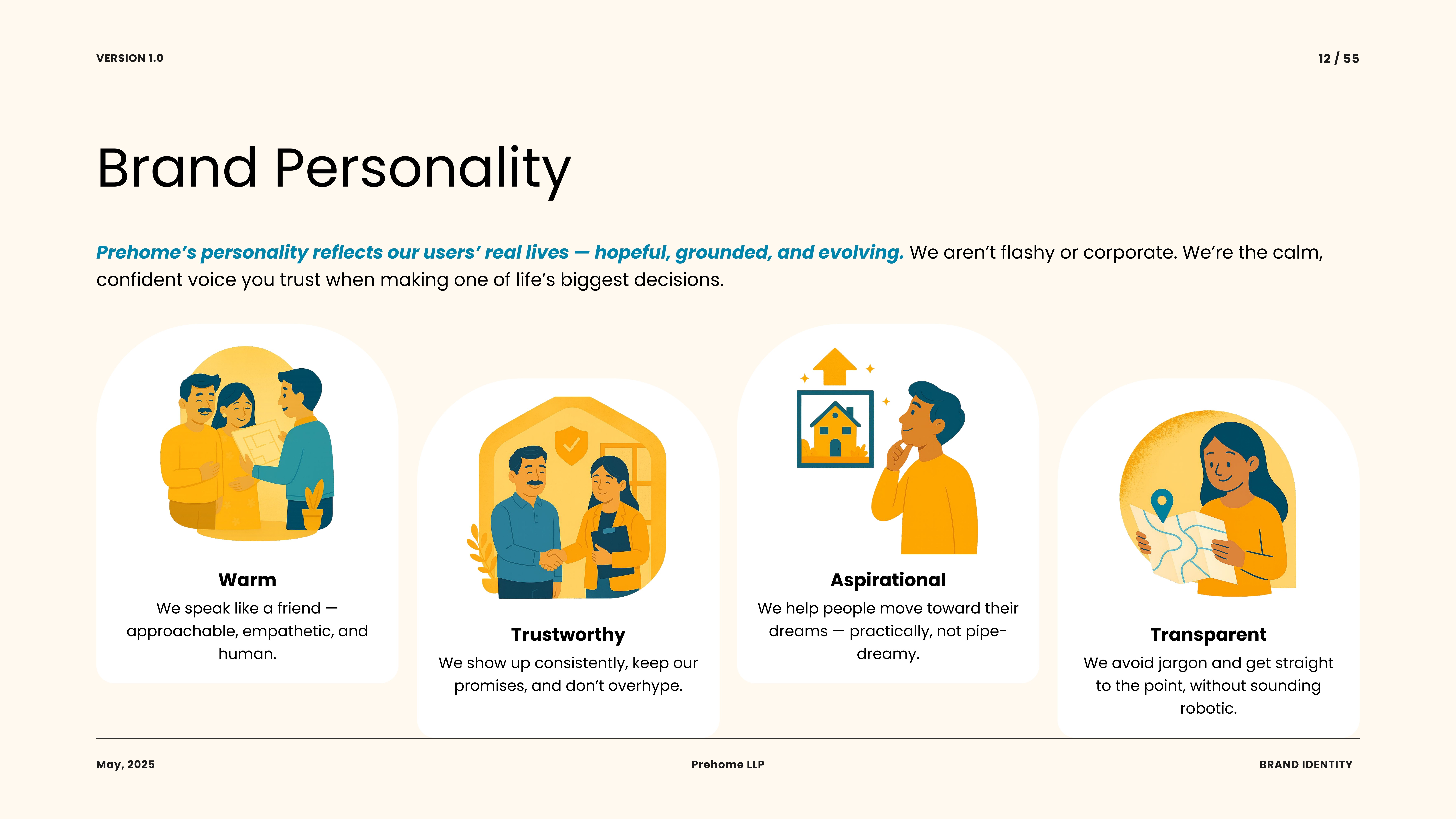
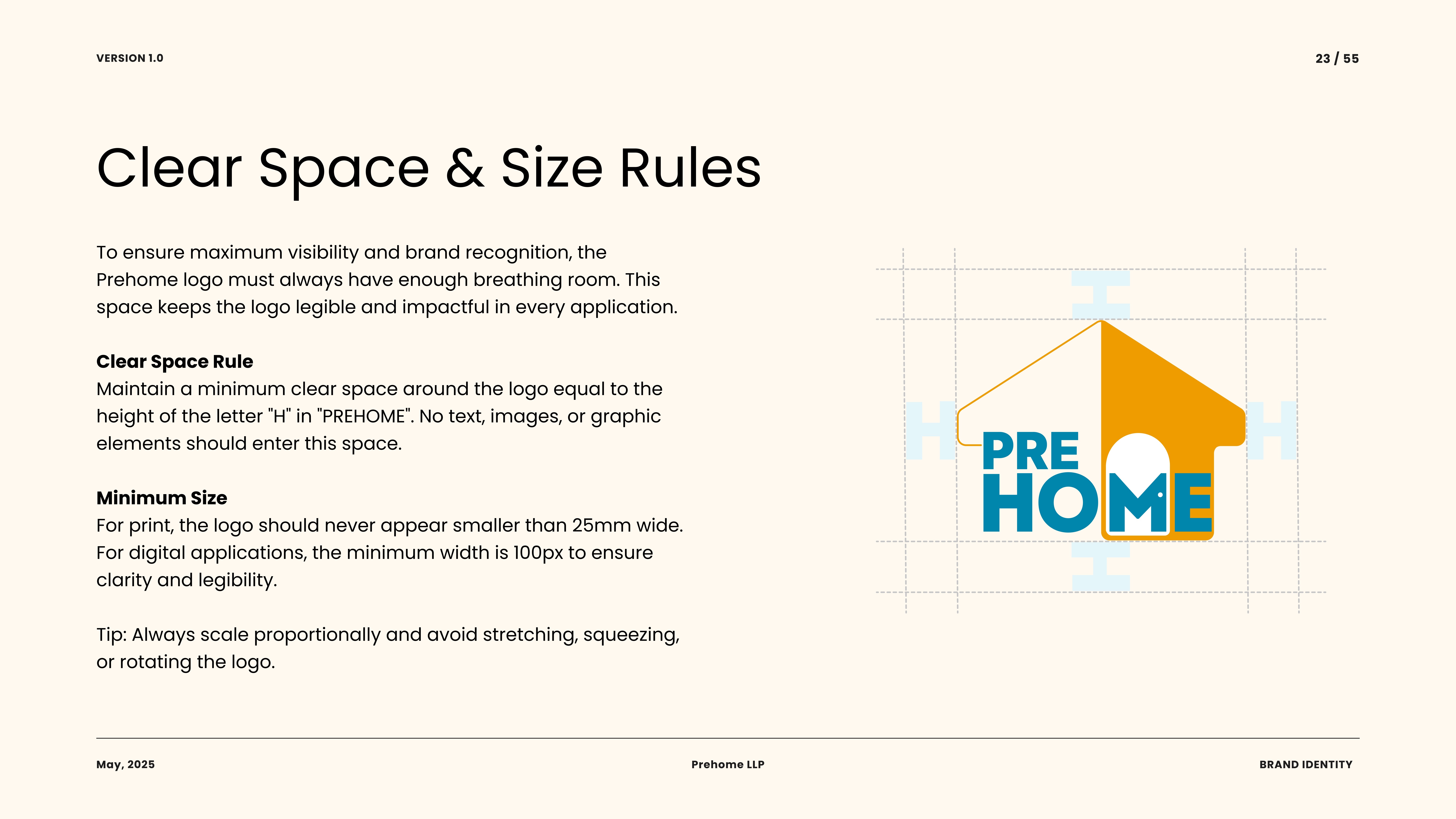
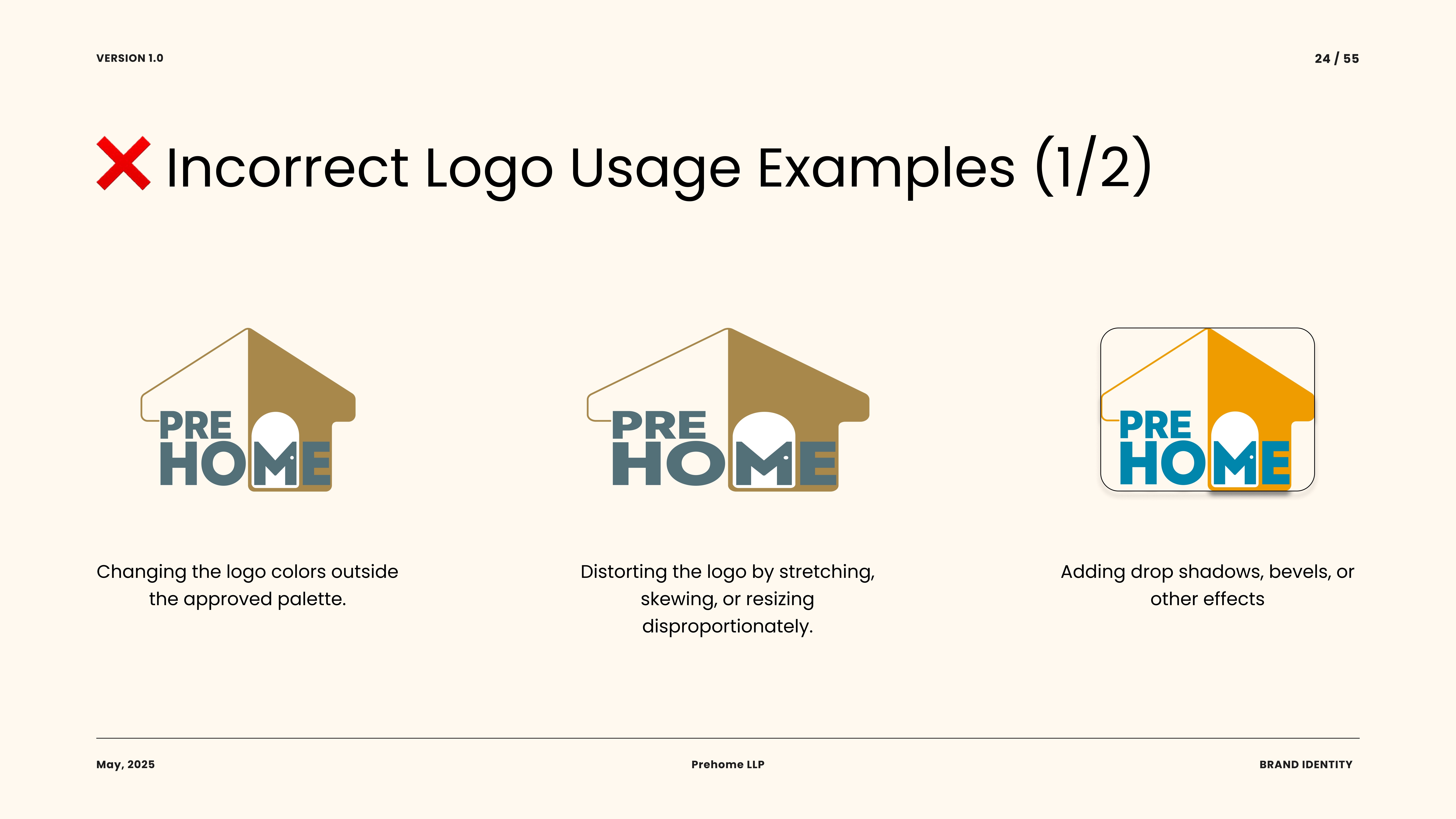
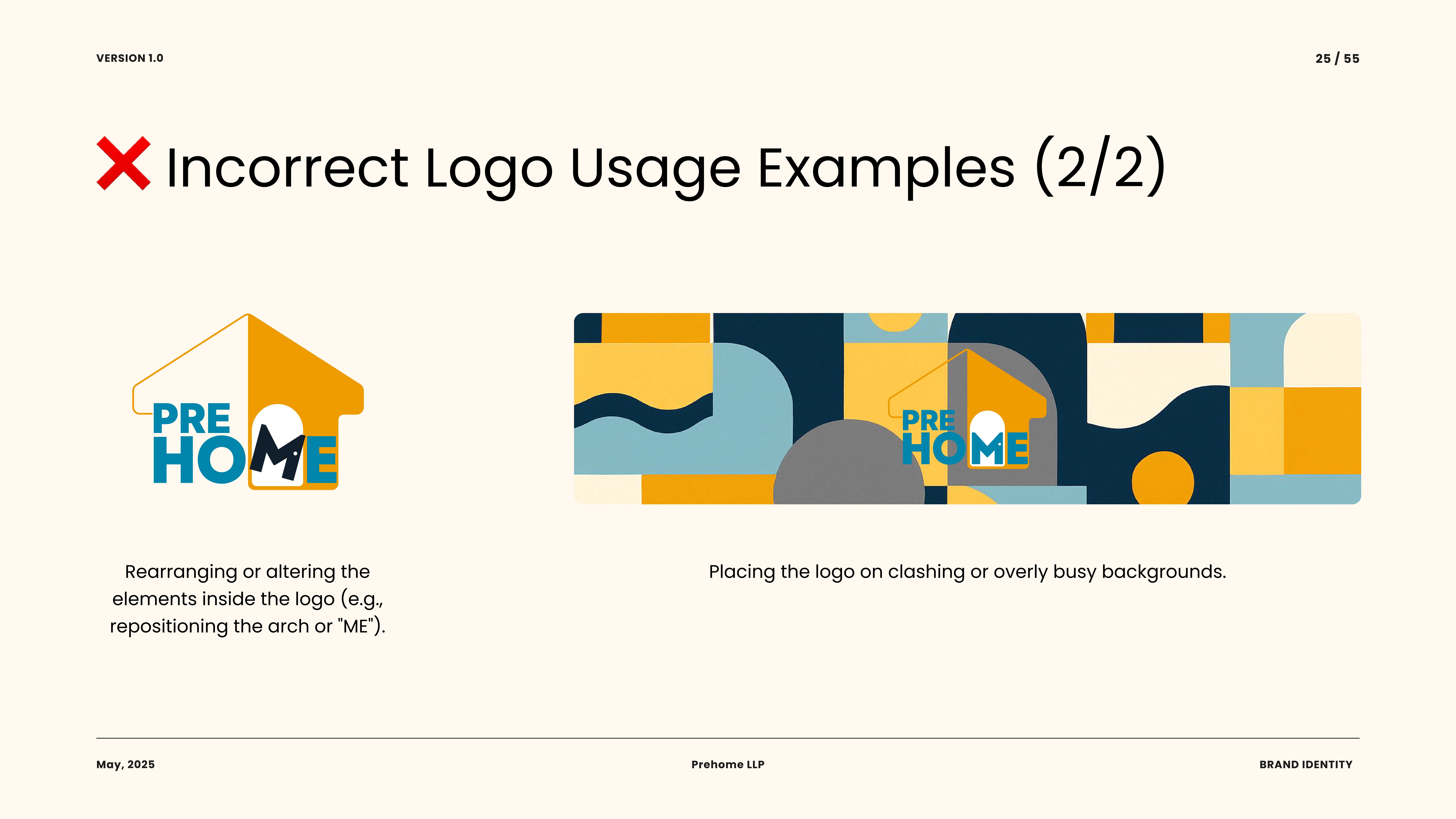
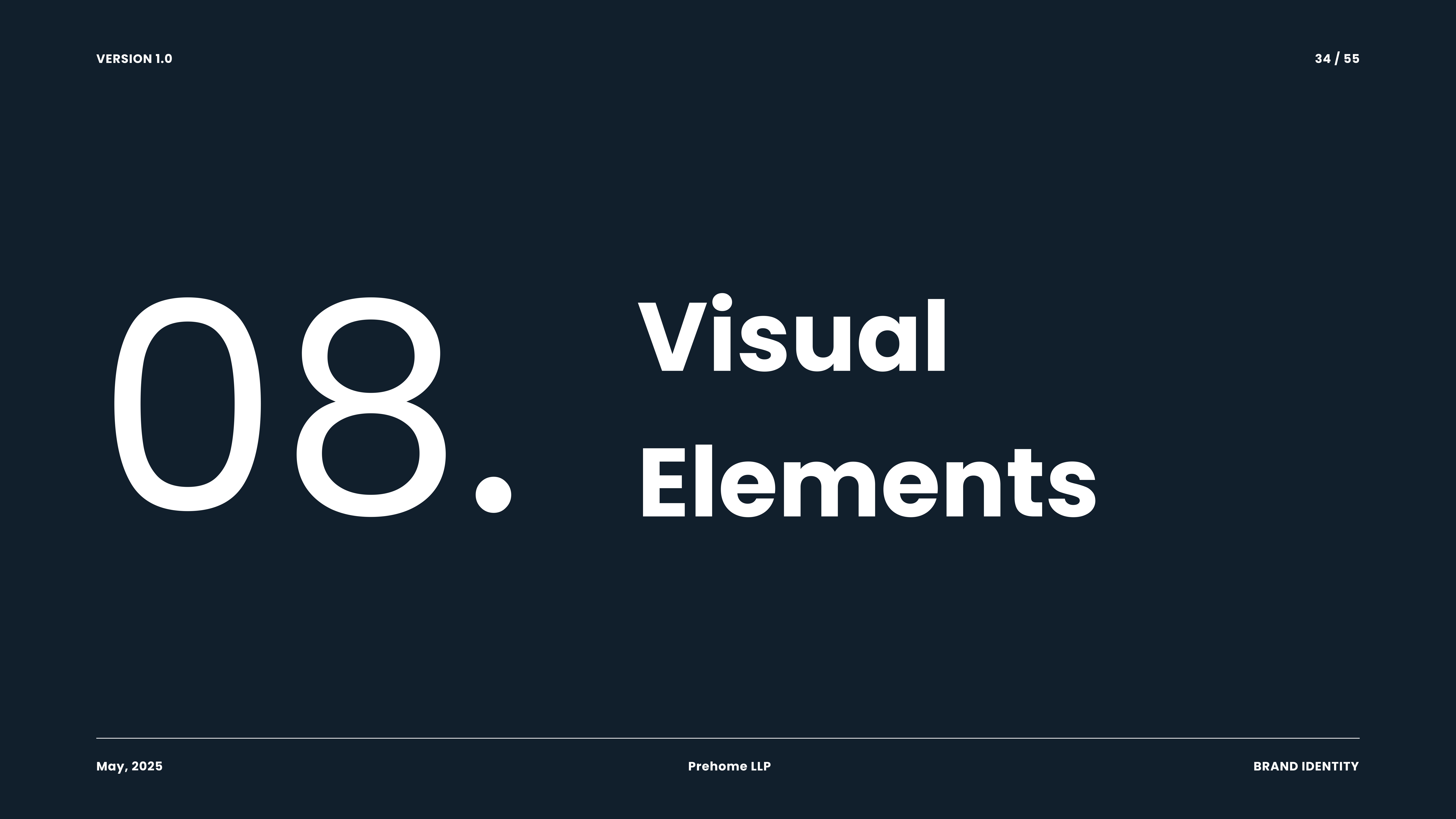
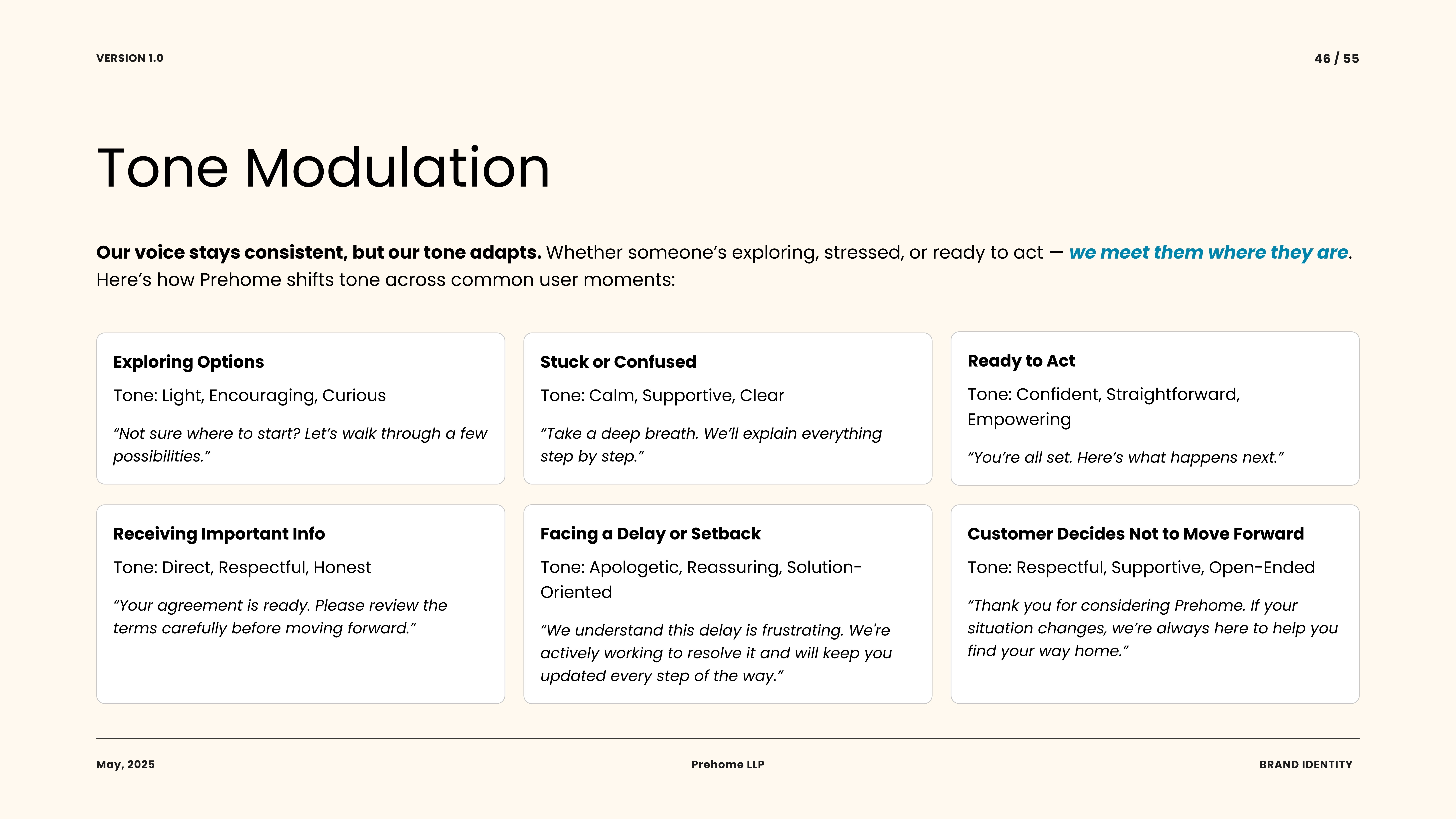
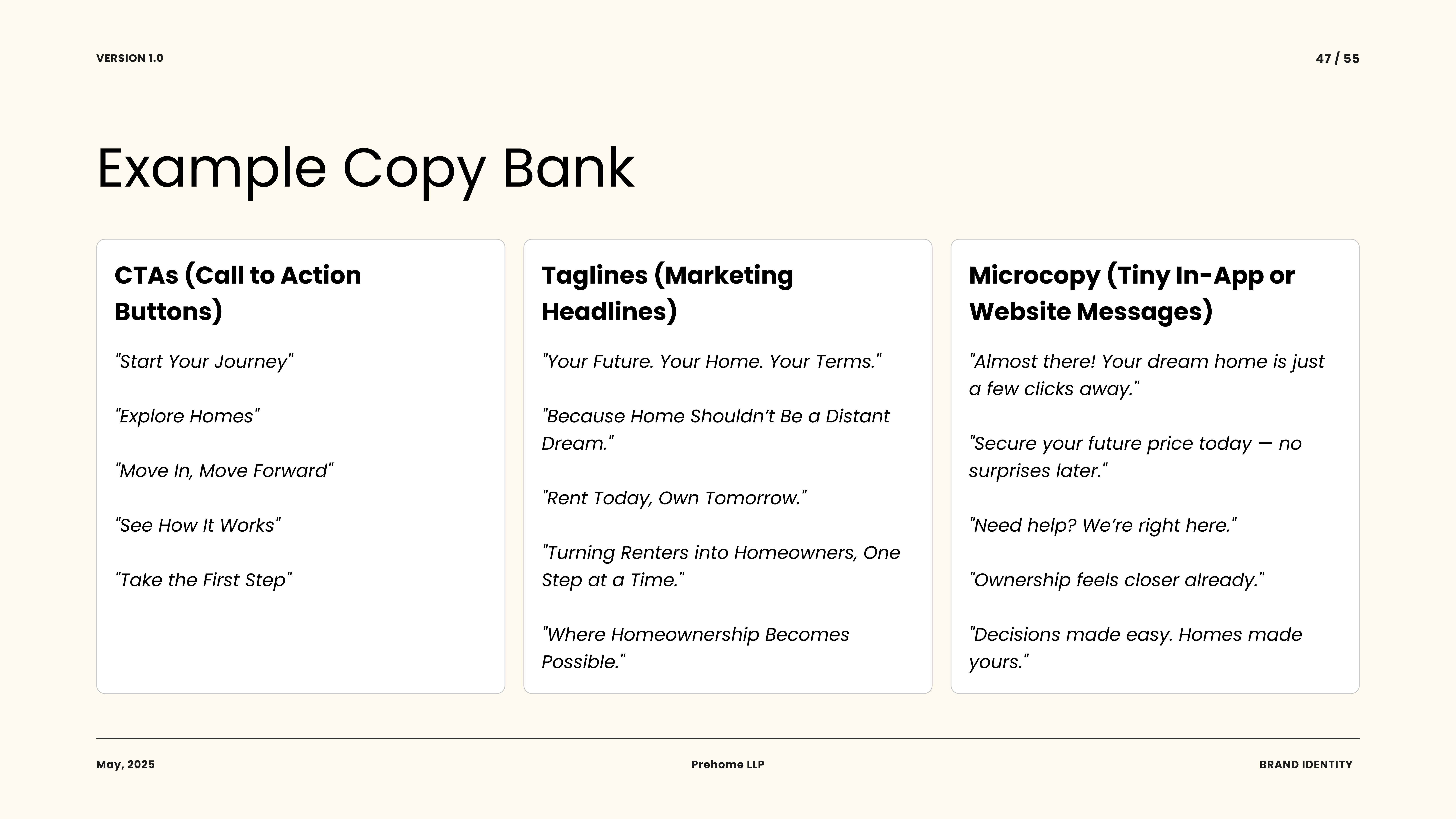
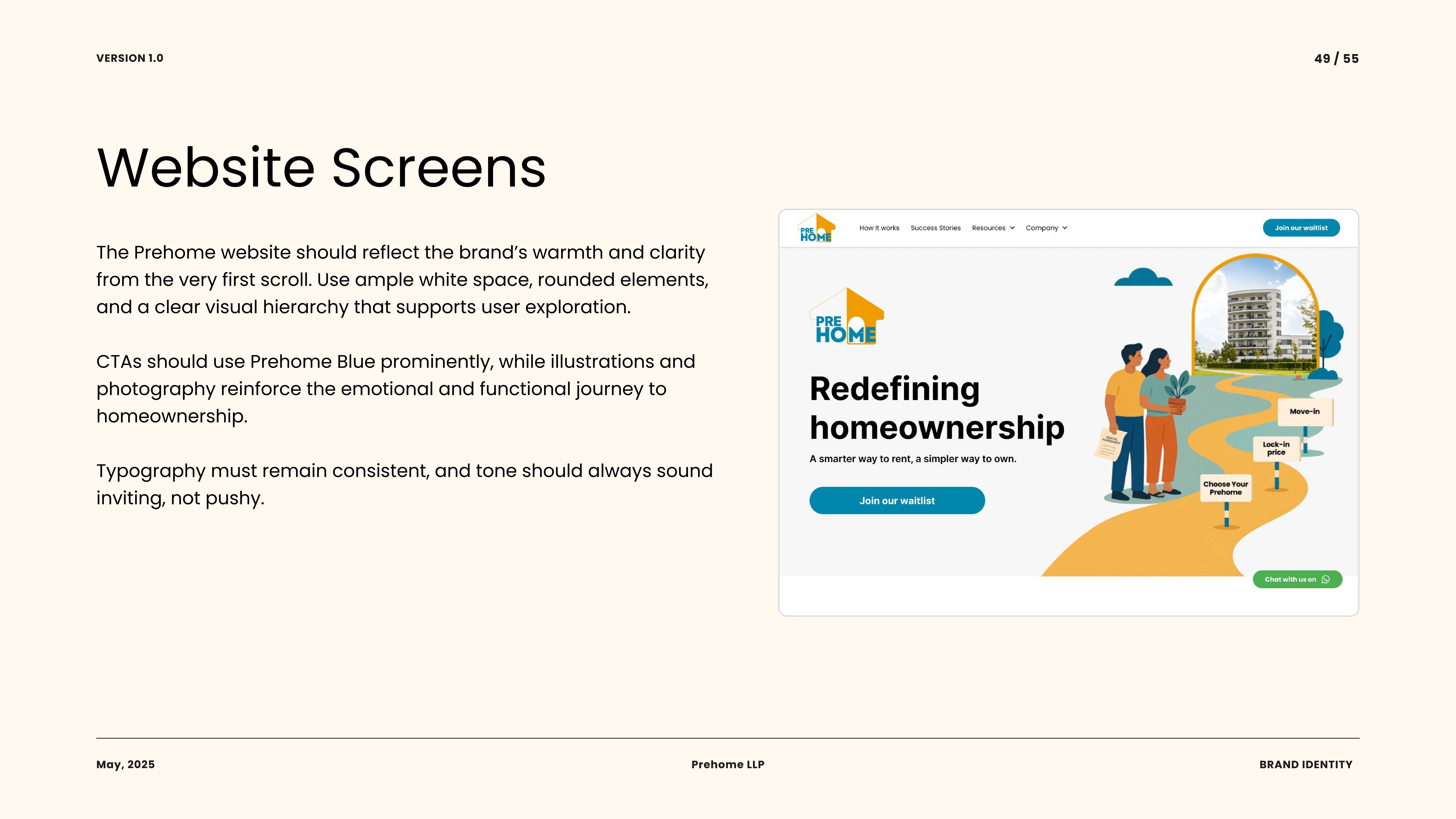
This is where the Prehome Brand Deck lives in the story— the culmination of six months of building, refining, and aligning emotion with design.
Reflections: Designing Emotion Into Systems
Prehome was never a typical design project. It was a crash course in building clarity around complexity—and finding emotion in what most people see as fintech.
I learned that brand design isn’t about aesthetics—it’s about assurance. It’s how you make people feel calm when they’re facing their biggest financial decision. The process taught me to zoom out—how to move from a blank screen to a brand that breathes. It taught me that consistency isn’t rigidity—it’s rhythm. And it reminded me that even the most rational systems need a heartbeat.
Early Results
Strong recall during early investor demos.
Positive feedback on the human tone of communication.
80% of test users described the experience as “trustworthy” and “simple to understand.”
Key Challenges and Takeaways
Building a brand from scratch — The challenge was building trust for an entirely new company in a sensitive, high-stakes domain. There was no legacy or recognition to rely on. I started by grounding the design in empathy and emotional resonance. Instead of focusing on property visuals, I humanized every touchpoint—from tone to typography—to make people feel seen and reassured. The learning: brands earn trust not through perfection, but through consistency and care.
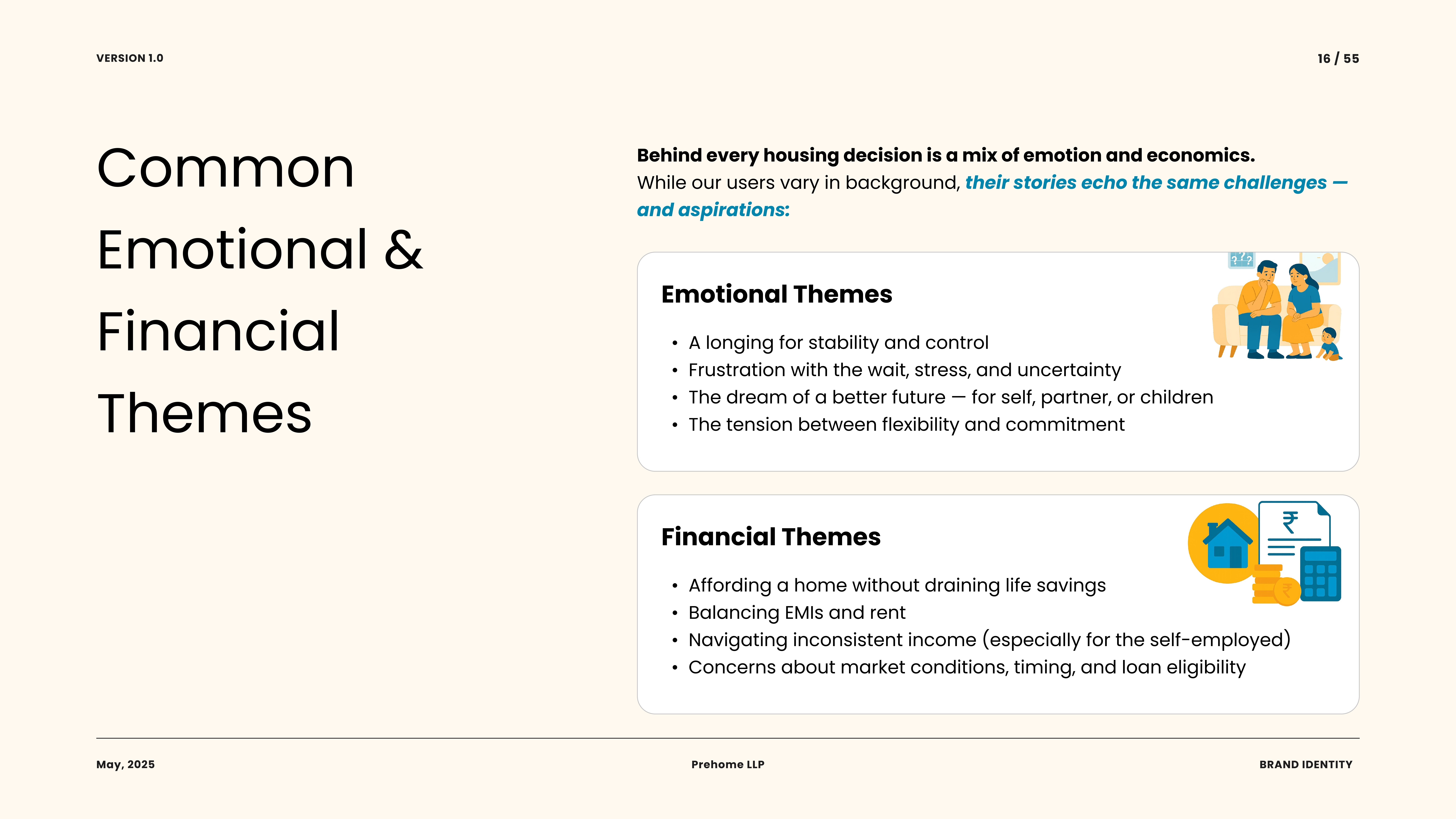
Bringing emotion into fintech — Most financial brands hide behind data and jargon. Our challenge was to make numbers feel human. The solution was to balance clarity and empathy by transforming every technical element—calculators, forms, eligibility flows—into conversational, visual moments. The learning: even in fintech, emotion is the bridge between comprehension and conversion.
Designing clarity in complexity — The rent-to-own concept involved layered contracts, long timelines, and multiple stakeholders. Simplifying this into a single, intuitive digital experience was the hardest UX problem. I used progressive disclosure and visual metaphors to help users grasp concepts without cognitive load. The learning: clarity isn’t about reducing detail—it’s about sequencing it right.
Defining end-to-end identity — Designing Prehome meant crafting not just the product, but its language, visuals, and emotional rhythm. I defined a unified system where website, app, and communication materials felt like one continuous experience. The learning: a brand’s true strength is coherence—when design, story, and function move in harmony.I learned that brand design isn’t about aesthetics—it’s about assurance. It’s how you make people feel calm when they’re facing their biggest financial decision. The process taught me to zoom out—how to move from a blank screen to a brand that breathes. It taught me that consistency isn’t rigidity—it’s rhythm. And it reminded me that even the most rational systems need a heartbeat.
Your screen’s great, but the desktop version is even better.